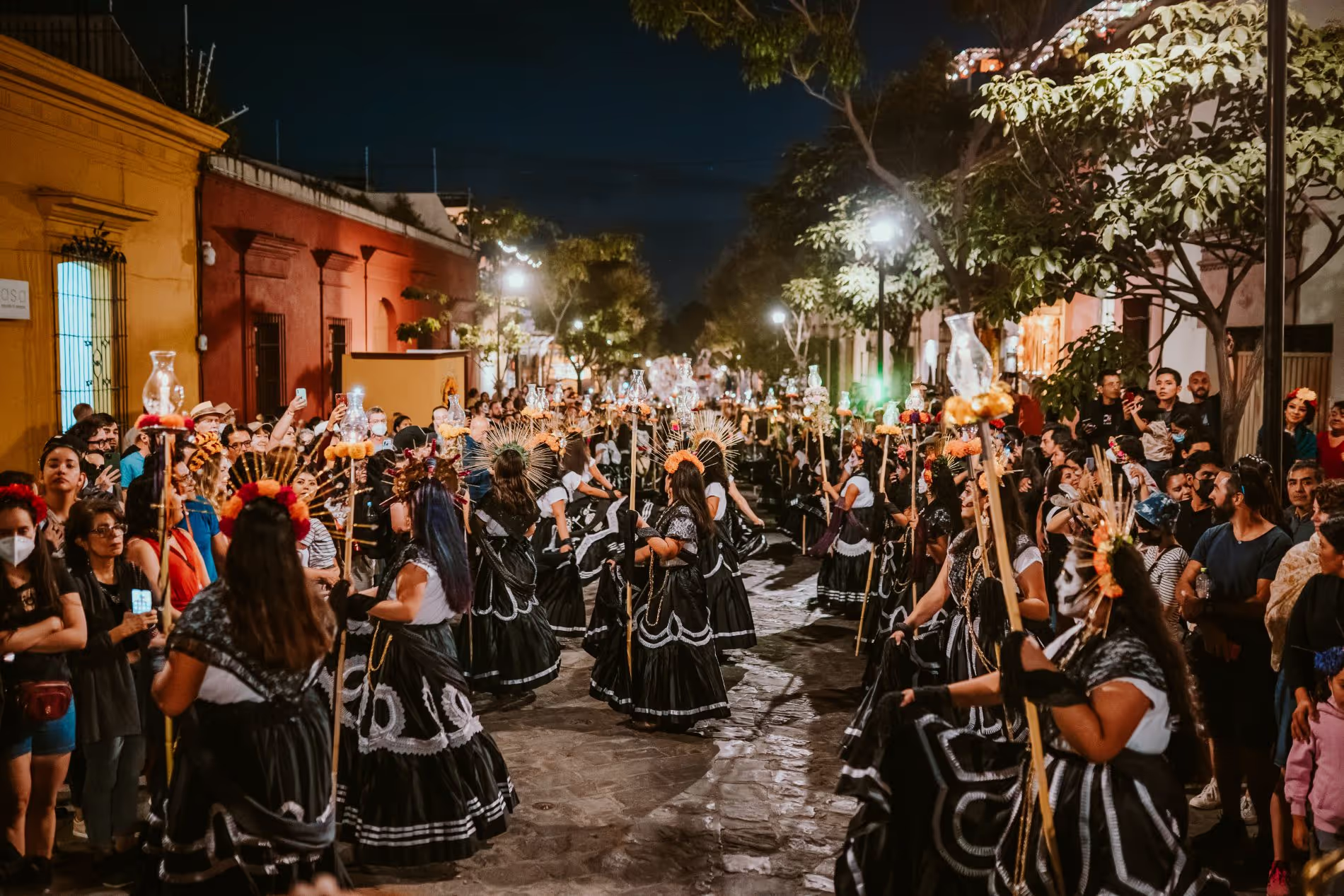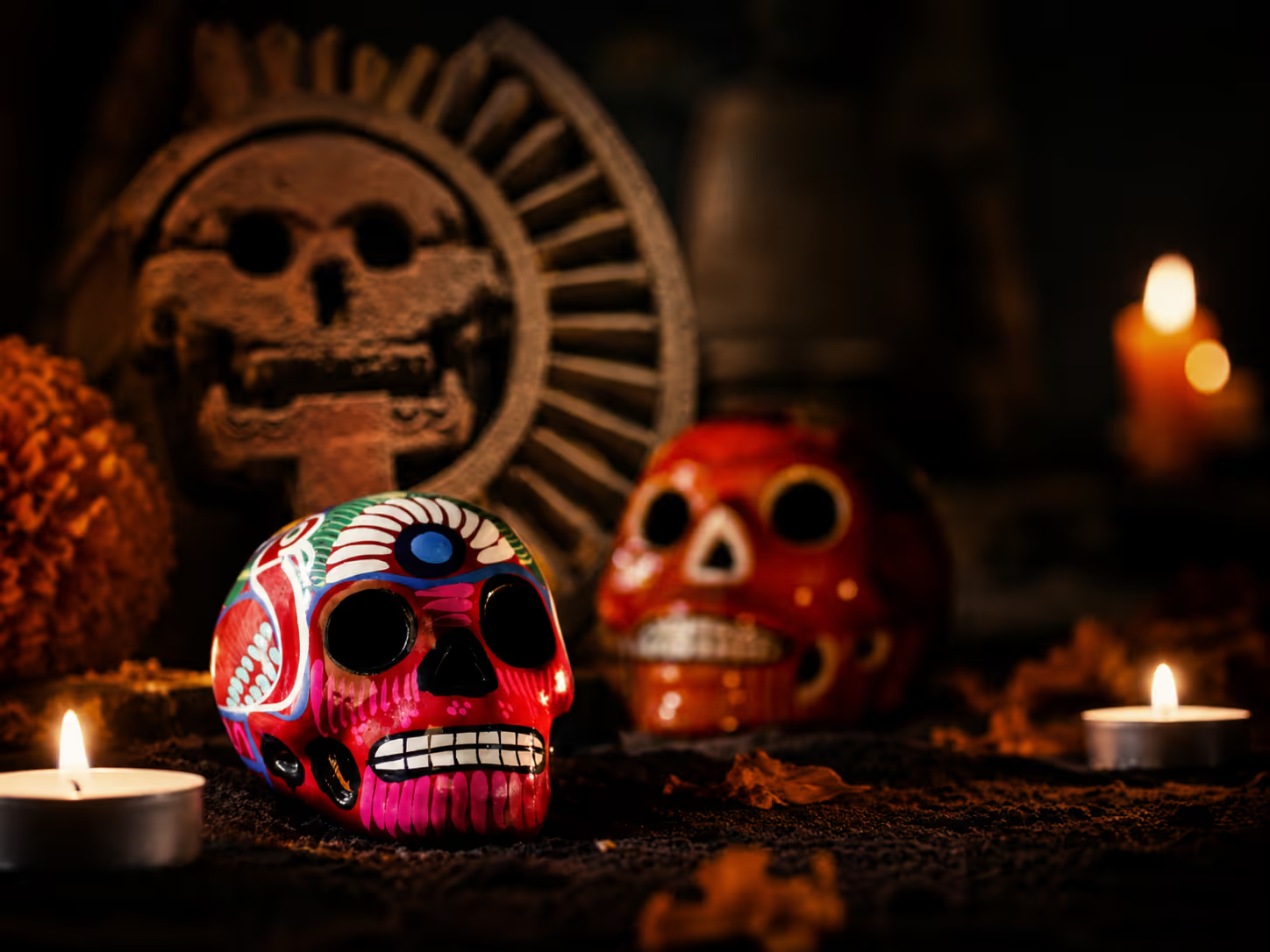
Day of the Dead is the time of year when, as many Mexican families describe it, the dead come home. Across the 1st and 2nd of November, and from the 31st of October in Oaxaca, families build altars, fill them with marigolds and the food their relatives loved, and sit with them through the night. Despite its subject, it is not a sombre occasion. In Mexican culture it is a celebration of life and remembrance rather than of grief, which is part of what draws so many travellers who were raised to see death very differently.
By the end of this post, you will know what Day of the Dead is, where it comes from, when and where it happens, what the altars and symbols mean, and how the celebration looks in Oaxaca specifically, where its roots run especially deep.
What is the Day of the Dead?
Day of the Dead, or Día de los Muertos, is a Mexican celebration in which families honour their relatives who have died and, for a short window each year, welcome them back. It is held on the 1st and 2nd of November, with the 31st of October added in Oaxaca and several other regions. The celebration brings families together to remember the departed, and despite its subject it is a time of colour, food and music rather than mourning.
Spanish: Día de Muertos
Pronunciation: DEE-ah deh MWER-tos
It is often mistaken for a single day, or for a Mexican version of Halloween. In practice it is a sequence of observances with roots in Mesoamerican cultures, layered over the Catholic calendar after the Spanish conquest. In 2008, UNESCO recognised it as an Intangible Cultural Heritage of Humanity, describing it as a living, inclusive and community tradition.
Meaning of the celebration
For the families who keep it, Day of the Dead is about life and memory more than death. The belief, often expressed, is that a person is not truly gone while they are still remembered, an idea that reaches back to the Nahua peoples, for whom the dead were lost only when forgotten. This was described by one local as one of the few traditions that treats death with both nostalgia and beauty, built on the idea that loved ones have not really left but have transformed into another part of things. It can be framed in a similar way in the words of an Oaxacan local I interviewed: in this season, death is not something bad, and not something to idolise. The celebration is closer to an act of honouring life, and the love shown to people while they were alive.
What is the origin of the Day of the Dead?
The celebration’s roots reach back around 3,000 years, to the rituals of pre-Columbian Mesoamerica. The Aztecs and other Nahua peoples saw death as part of life rather than something to be mourned, and to grieve loudly was thought disrespectful.
In their tradition, a soul travelled after death to Chicunamictlán, the land of the dead, and had to pass through nine levels of the underworld to reach Mictlán. They say the journey took four years to complete. The underworld itself was neither reward nor punishment: the Aztecs believed the manner of a person’s death, not their behaviour in life, shaped where they were bound.
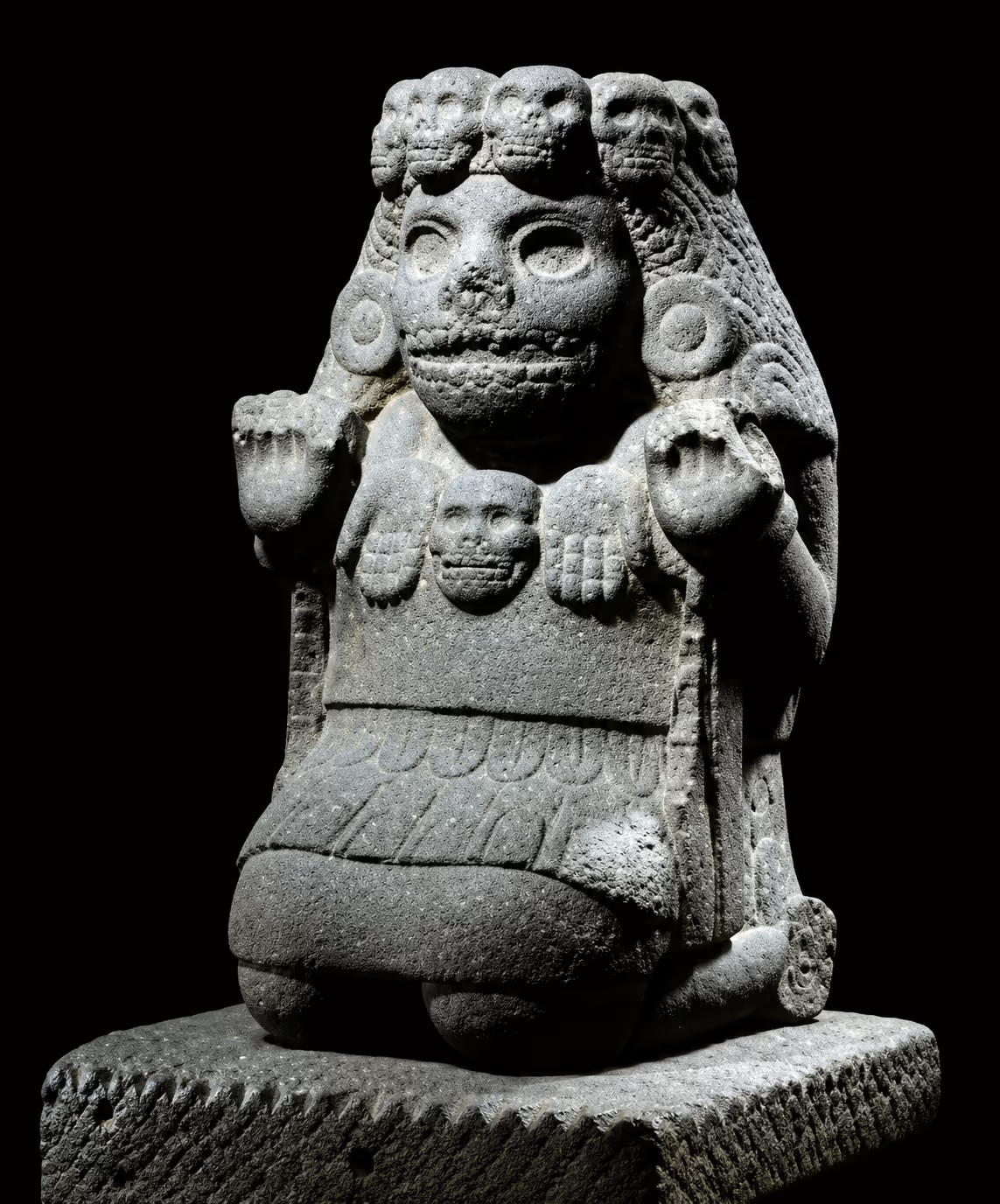
Much of the festival’s skull imagery traces to this period, and to the goddess Mictecacíhuatl, often called the Lady of the Dead, depicted as a skeleton and shown with her counterpart Mictlantecuhtli. The goddess’s festival was originally held in late July and early August. After the Spanish conquest, Catholic missionaries brought All Saints’ Day and All Souls’ Day, and the celebrations were moved to the 1st and 2nd of November to align with the Christian calendar. What survives today is a blend of indigenous and Catholic practice.
When is it celebrated?
Day of the Dead is celebrated on the 1st and 2nd of November, with preparations and observances beginning earlier, especially in Oaxaca. Each day carries its own meaning.
- 31 October: in parts of Oaxaca, families keep the velada, an all-night cemetery vigil to receive their dead, held from dusk on the 31st into the dawn of the 1st.
- 1 November: the day for children who have died, remembered as angelitos, or little angels. Altars are completed with their favourite foods, marigolds and sugar skulls. •
- 2 November: the main day, for adults who have died. Many attend church and spend the day at the cemetery, sharing stories to keep their relatives’ memory alive.
Two practical notes from Oaxacan sources are worth carrying with you. The marigold fields on the city’s outskirts are at their best for visiting roughly between the 22nd and 28th of October, and home altars are usually built on the 29th and 30th so they are complete by the 31st.
Where is it celebrated?
Day of the Dead is observed across Mexico, and each region brings its own customs. A handful of places have become especially associated with the celebration: Oaxaca, Michoacán, Mexico City and Mixquic, on the edge of the capital.
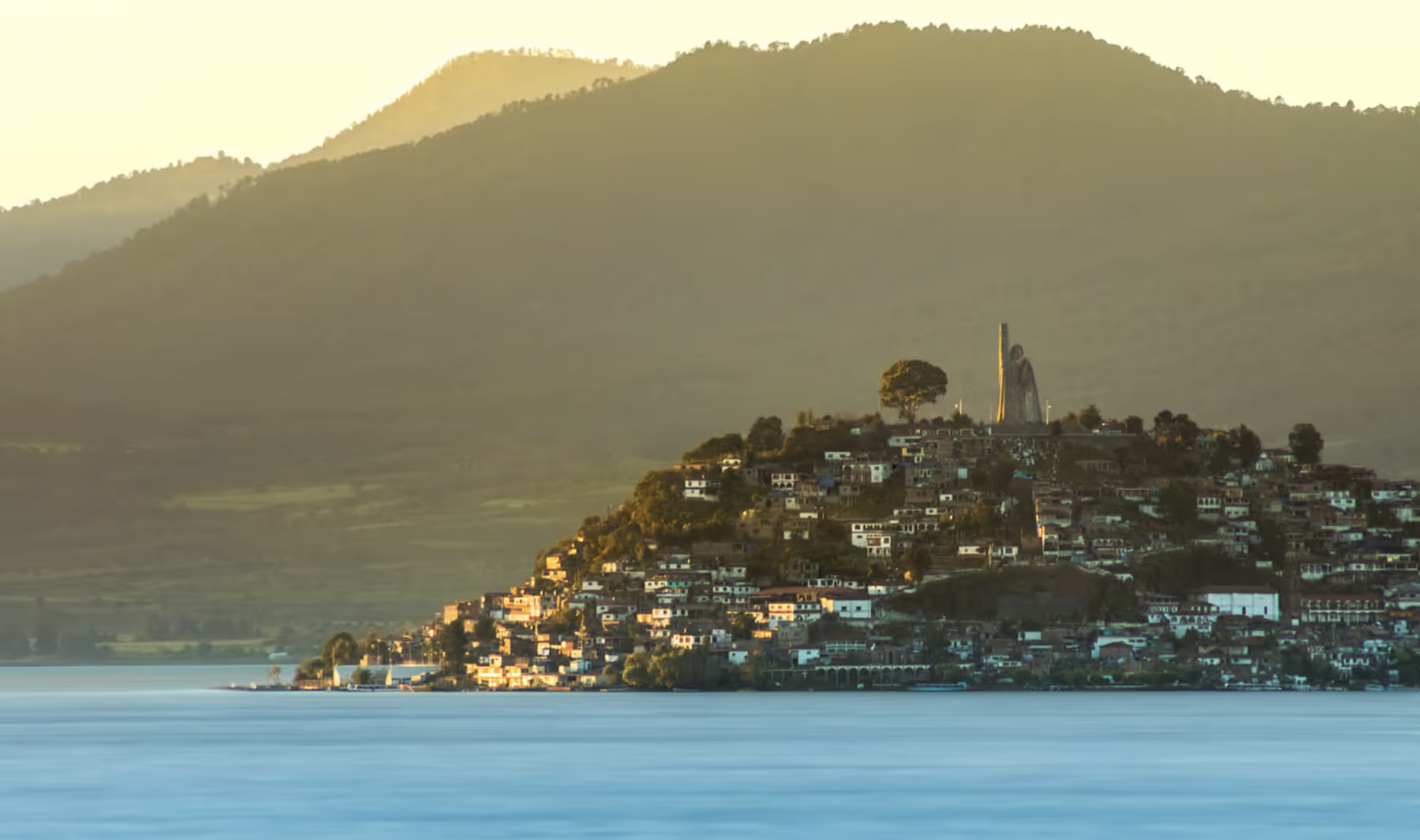
In Michoacán, the island of Janitzio on Lake Pátzcuaro is among the most traditional settings, where the Purépecha people keep la noche de muertos. They say the lake acts as a doorway for the dead to return. Pátzcuaro drew more than 200,000 visitors in 2019.
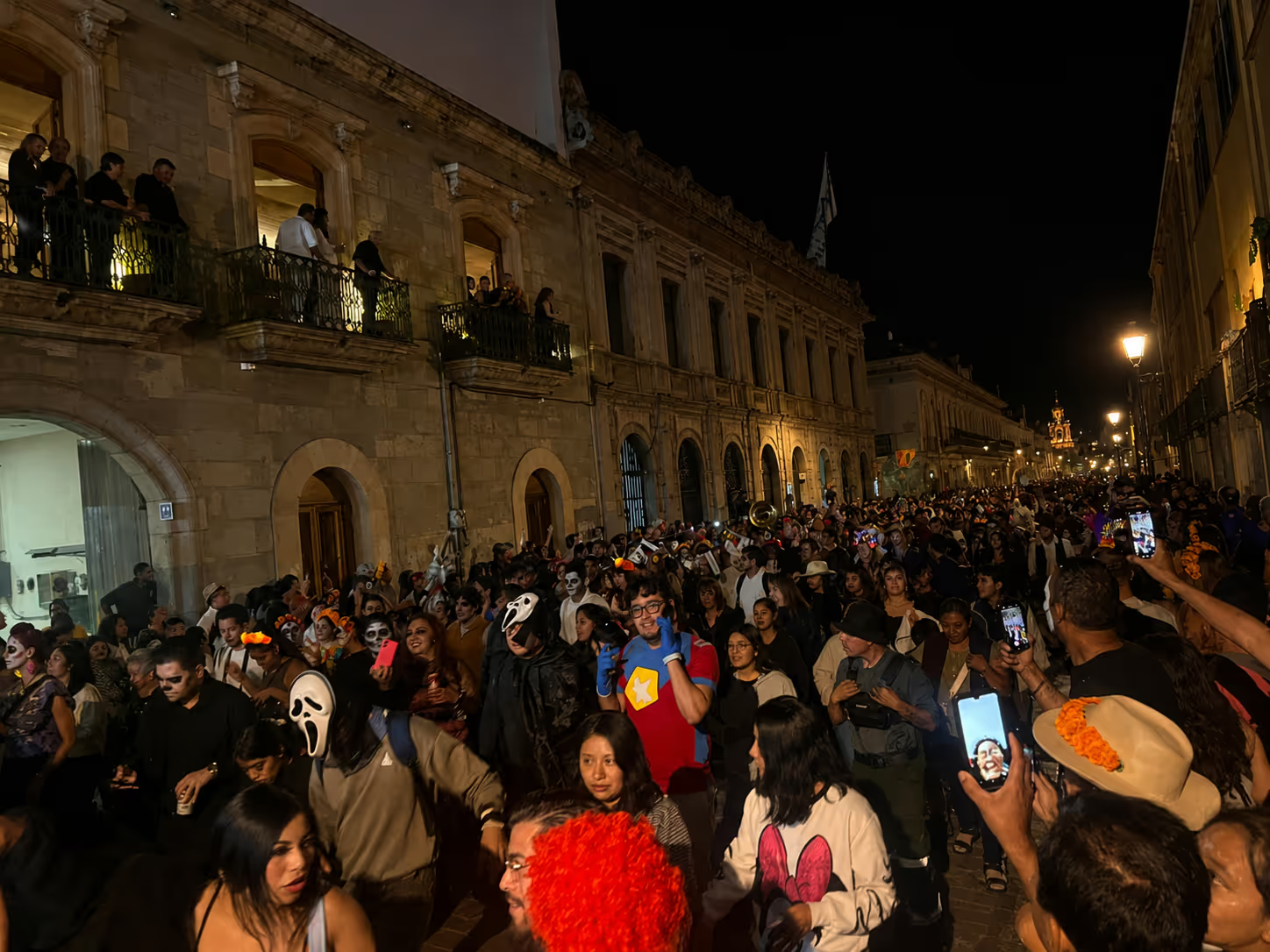
Mexico City is now known for its Great Day of the Dead Parade, attended by more than 150,000 people. The parade is a recent invention: it began in 2016, inspired by the opening scene of the James Bond film Spectre, which was shot in the city. There had been no such parade before the film imagined one.
Oaxaca is considered one of the most deeply rooted celebrations of all, with traditions that draw on Zapotec culture as well as the wider Mexican tradition. It is the focus of much of this guide, and of our planning section.
How is it celebrated?
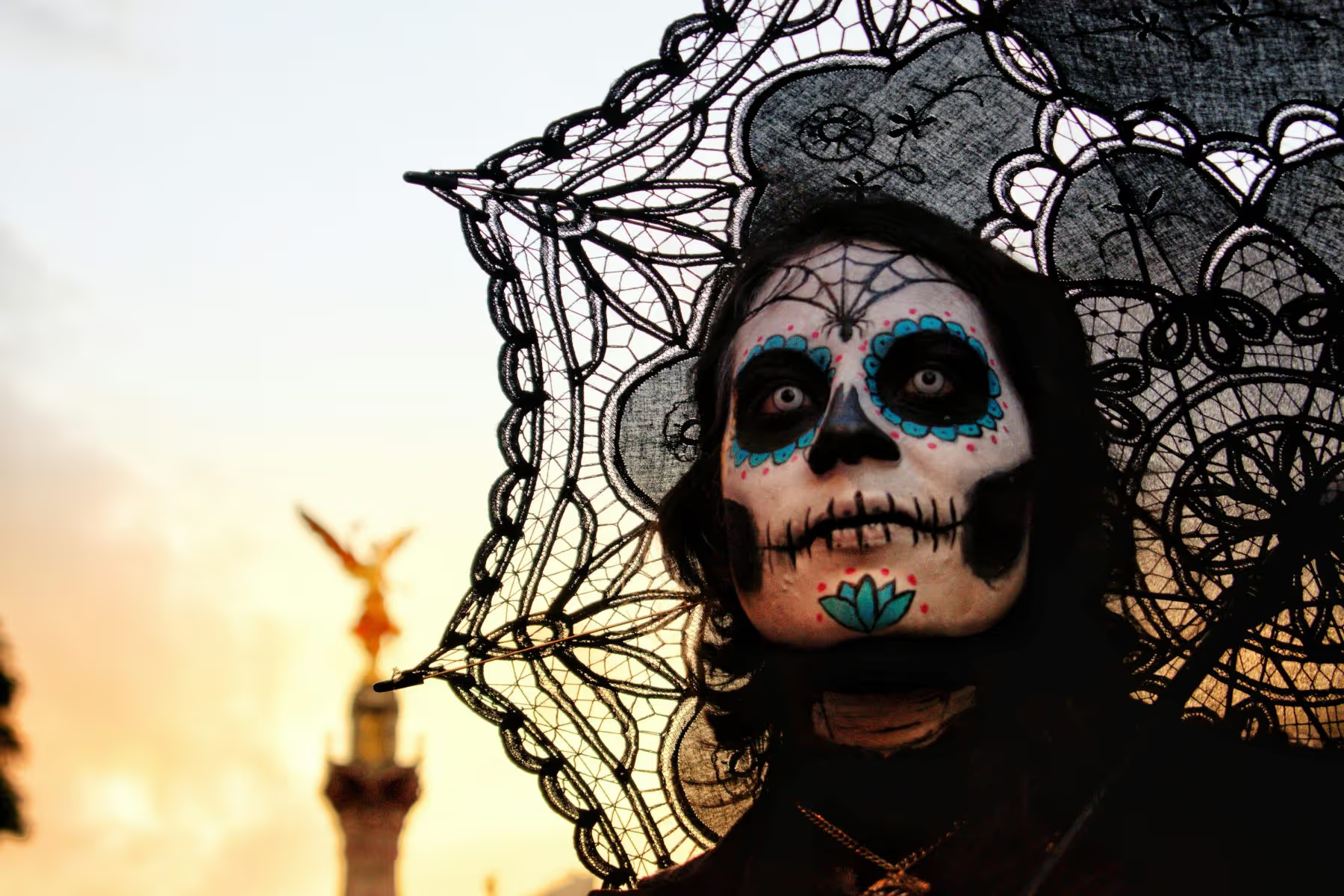
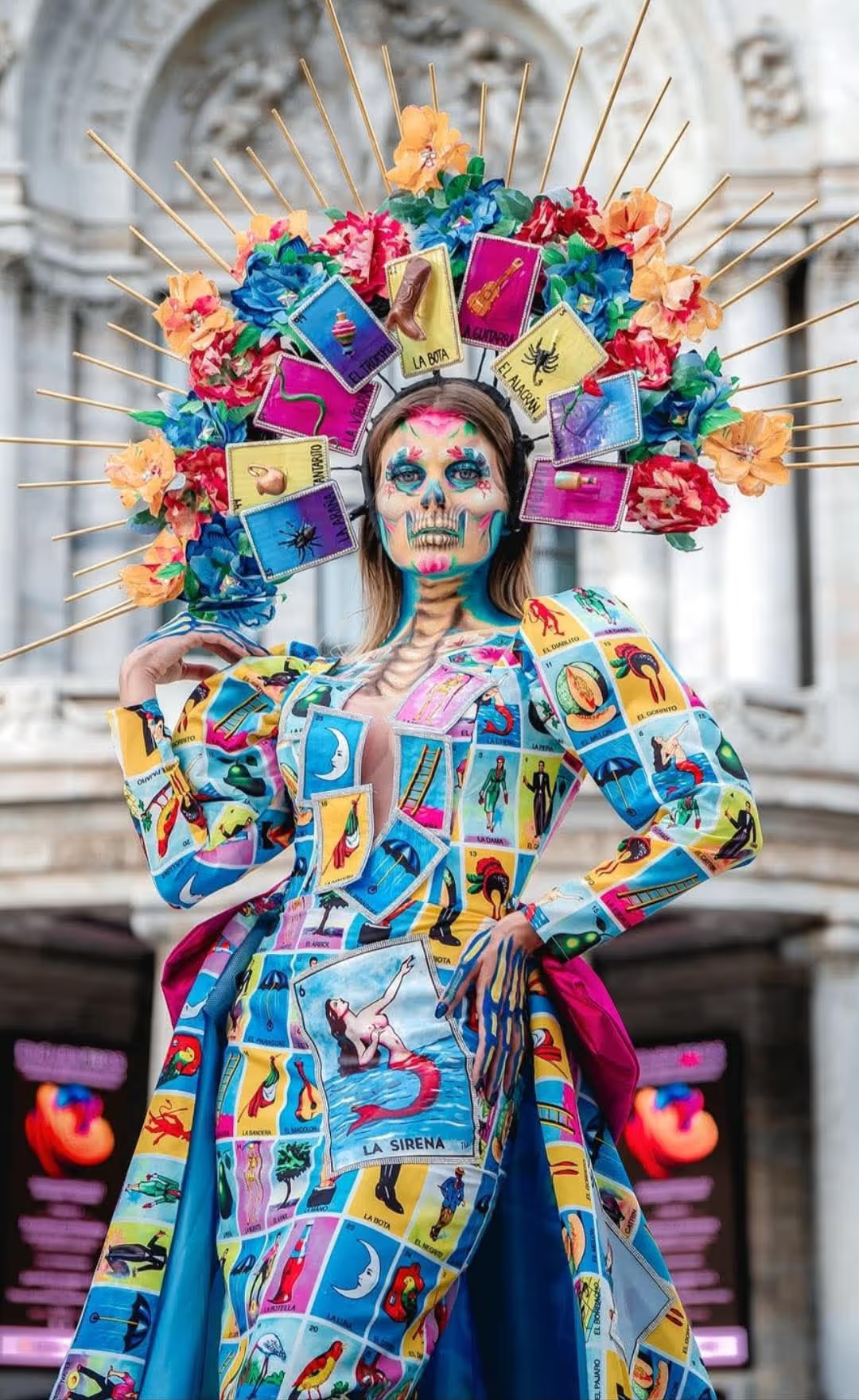
Day of the Dead is celebrated by building altars for the dead, gathering at cemeteries, and filling both with marigolds, candles, food and music. Families construct an ofrenda at home, lay out the dishes and drinks their relatives loved in life, and light the way for them with candles and a path of flower petals. In many places the streets fill with processions and people dressed as Catrinas, the elegant skeleton figures that have become the celebration’s best-known image. Markets sell sugar skulls and pan de muerto, the bread baked specially for the season. The sections below explain what each of these symbols means, and how the customs play out on the ground in Oaxaca.
Why is it celebrated?
Day of the Dead is celebrated to remember and honour those who have died, and to keep their memory present. The deeper idea, inherited from the Nahua, is that the dead are only truly lost when they are forgotten, so to set a place for them each year is to keep them among the living. There is also a quiet idea of equality in it. The figure of La Catrina carries the thought that death is democratic: rich or poor, young or old, everyone becomes a skeleton in the end. Far from morbid, in Mexican culture this is taken as a reason to honour life rather than fear its end.
How is it different from Halloween?
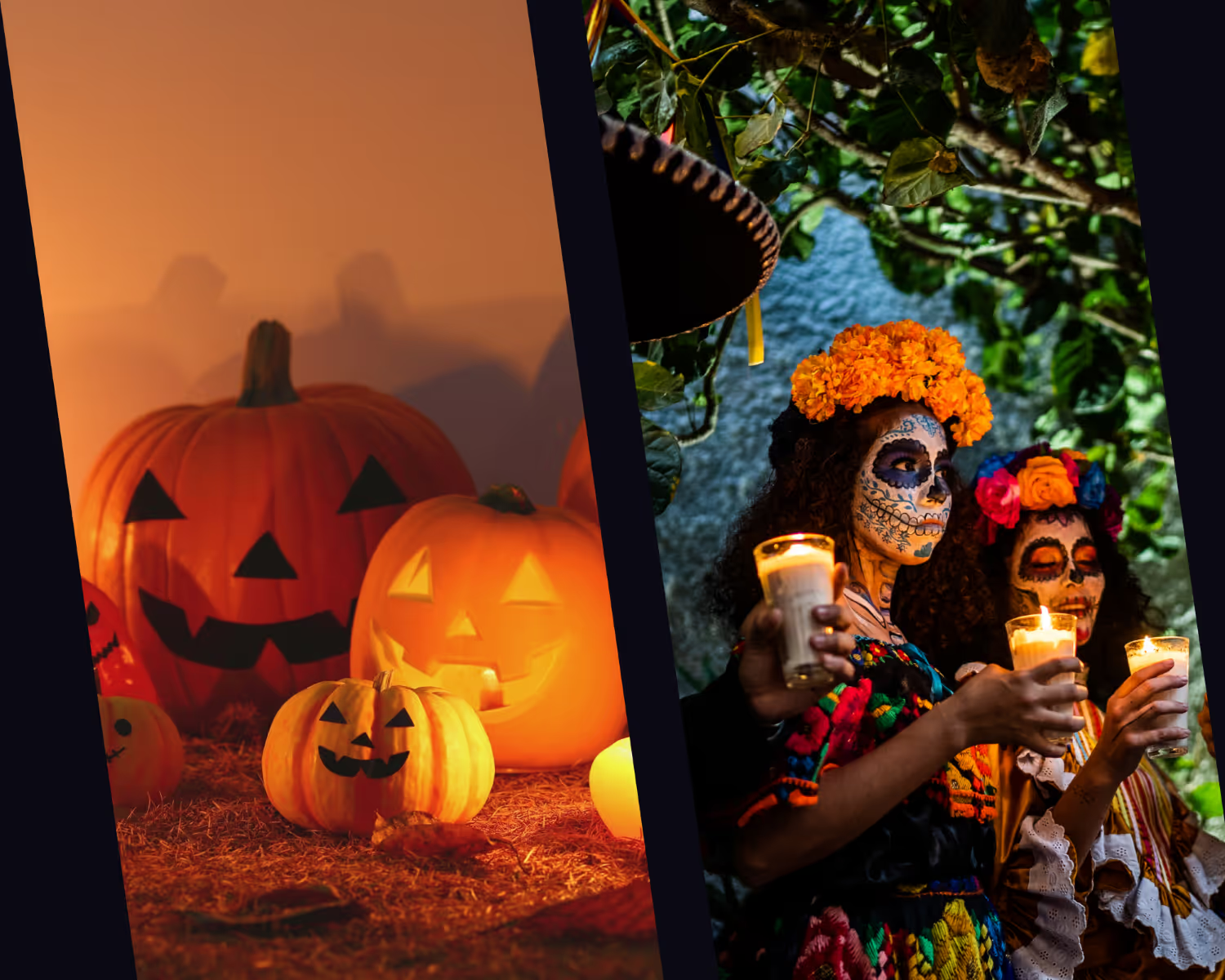
Day of the Dead is not Mexican Halloween, despite sharing a season and some imagery. The two come from different places and mean different things.
Halloween grew out of older European and pagan traditions, and leans toward fright, costumes and play. Day of the Dead grew out of indigenous Mesoamerican belief, later blended with Catholicism, and is built around remembrance and welcome rather than fear. Its skulls and skeletons are not meant to frighten; they are affectionate, even funny, reminders that death comes for everyone. Where Halloween keeps the dead at a spooky distance, Day of the Dead invites them home.
What do the altars or ofrendas mean?
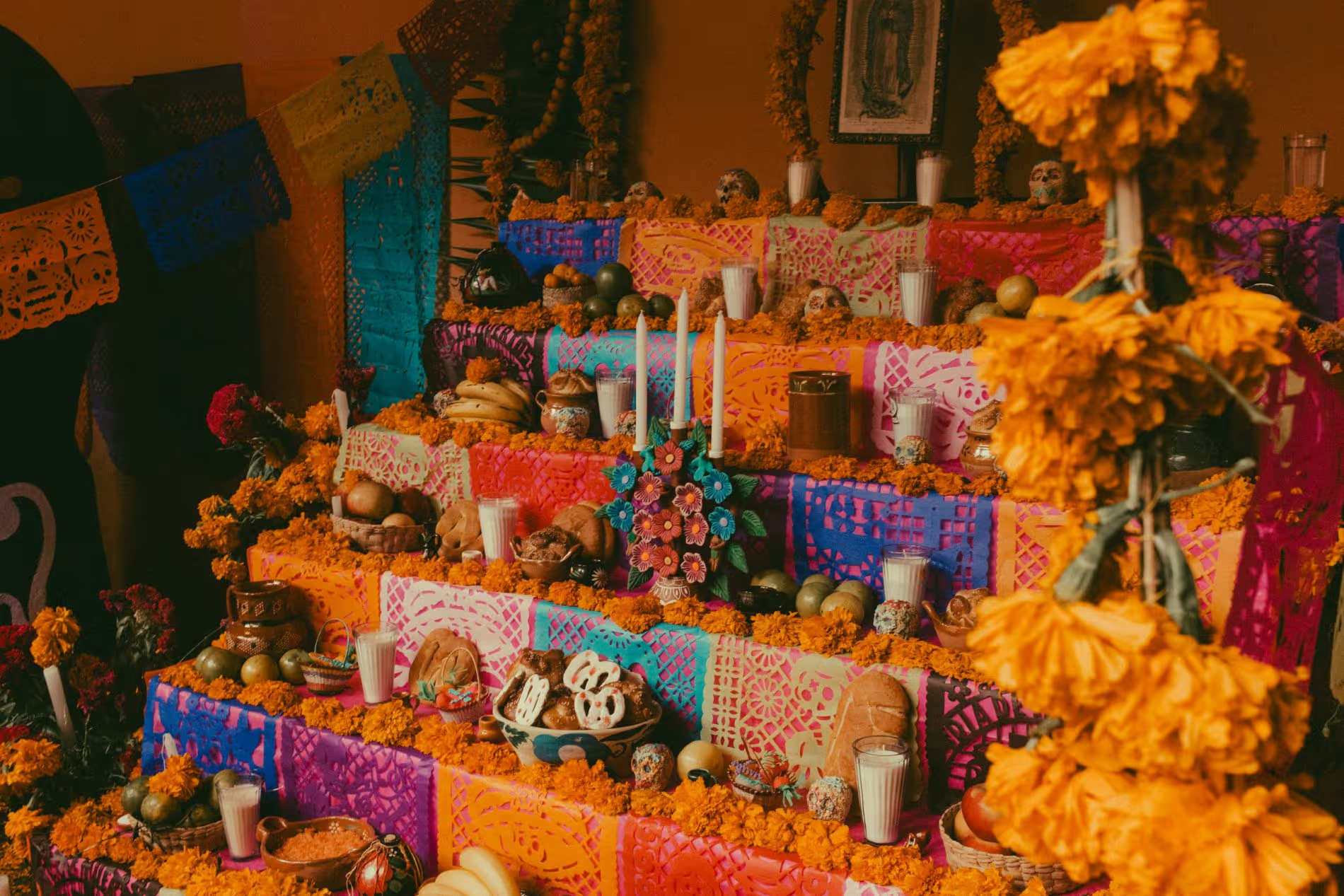
An ofrenda is an altar built to welcome the dead home and guide them back to their families. The word can mean both the offerings themselves and the altar that holds them.
Spanish: ofrenda
Pronunciation: oh-FREN-dah
Meaning: The altar built for the dead, and the offerings placed on it: food, drink, photographs, candles and marigolds.
Altars are usually built inside the home, and are designed to include the four elements. Water is set out in jugs for the souls to drink. Papel picado, the cut-paper banners, stands for wind. Food represents earth. A lit candle is fire, and also a guide, helping the spirits find their way to the altar and back. The altar is decorated with marigolds, the flower of the dead, and sometimes a path of petals is laid to lead the souls home. Families place photographs of the departed, the things they loved in life, and, in Catholic households, crucifixes and images of saints.
The elaborate altars on display in the tourist areas are partly made for show, while the real ones, the ones that matter, are inside people’s homes. Some families and local hosts now invite small groups in to see a home altar and have it explained, which is one of the more respectful ways to encounter this part of the celebration.
What do the symbols represent?
Each object you see during Day of the Dead carries meaning. These are the main symbols and what they stand for.
La Catrina and the calavera
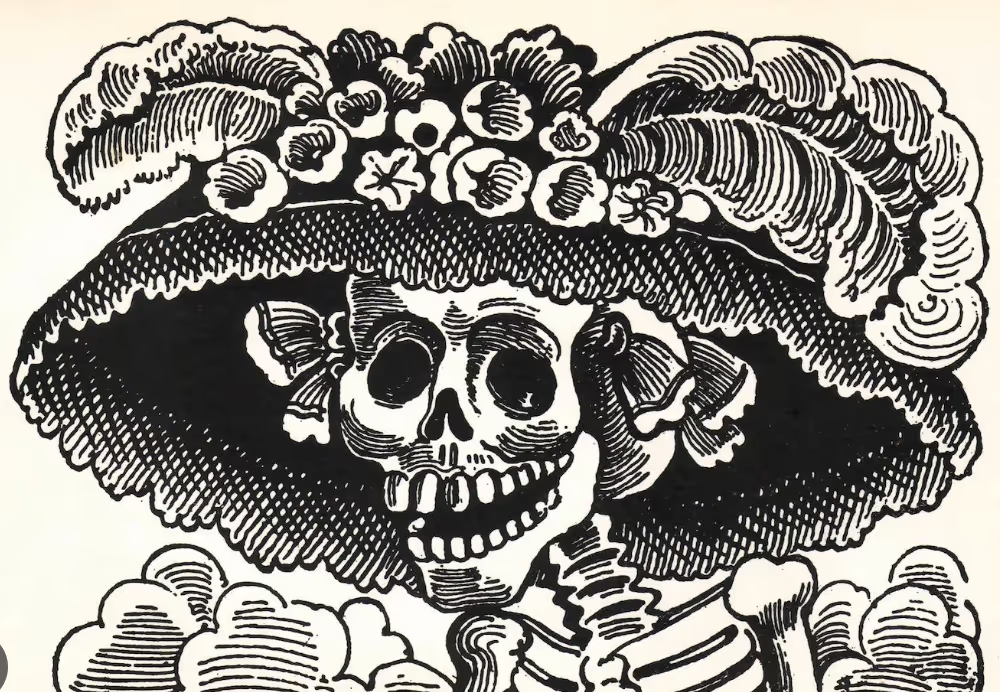
The calavera, or skull, is the celebration’s most recognisable symbol, standing for death and the afterlife without the dread those words usually carry. Sugar skulls, often carrying the name of a loved one on the forehead, are placed on altars and sold at markets in the lead-up to the celebration. They are pressed from sugar into moulds and decorated, and similar skulls are made from clay, papier-mâché or carved bone.
The skull’s lineage runs back to pre-Columbian cultures and the goddess Mictecacíhuatl. Its most famous modern form is La Catrina. She began as a print by the lithographer José Guadalupe Posada, originally called La Calavera Garbancera, a piece of social satire aimed at Mexicans who denied their indigenous roots and aspired to look like wealthy Europeans. Around thirty years after Posada’s death, the muralist Diego Rivera reimagined her and gave her the name La Catrina. Her message stayed the same: death levels everyone, so there is little point pretending to be above it.
Pan de muerto
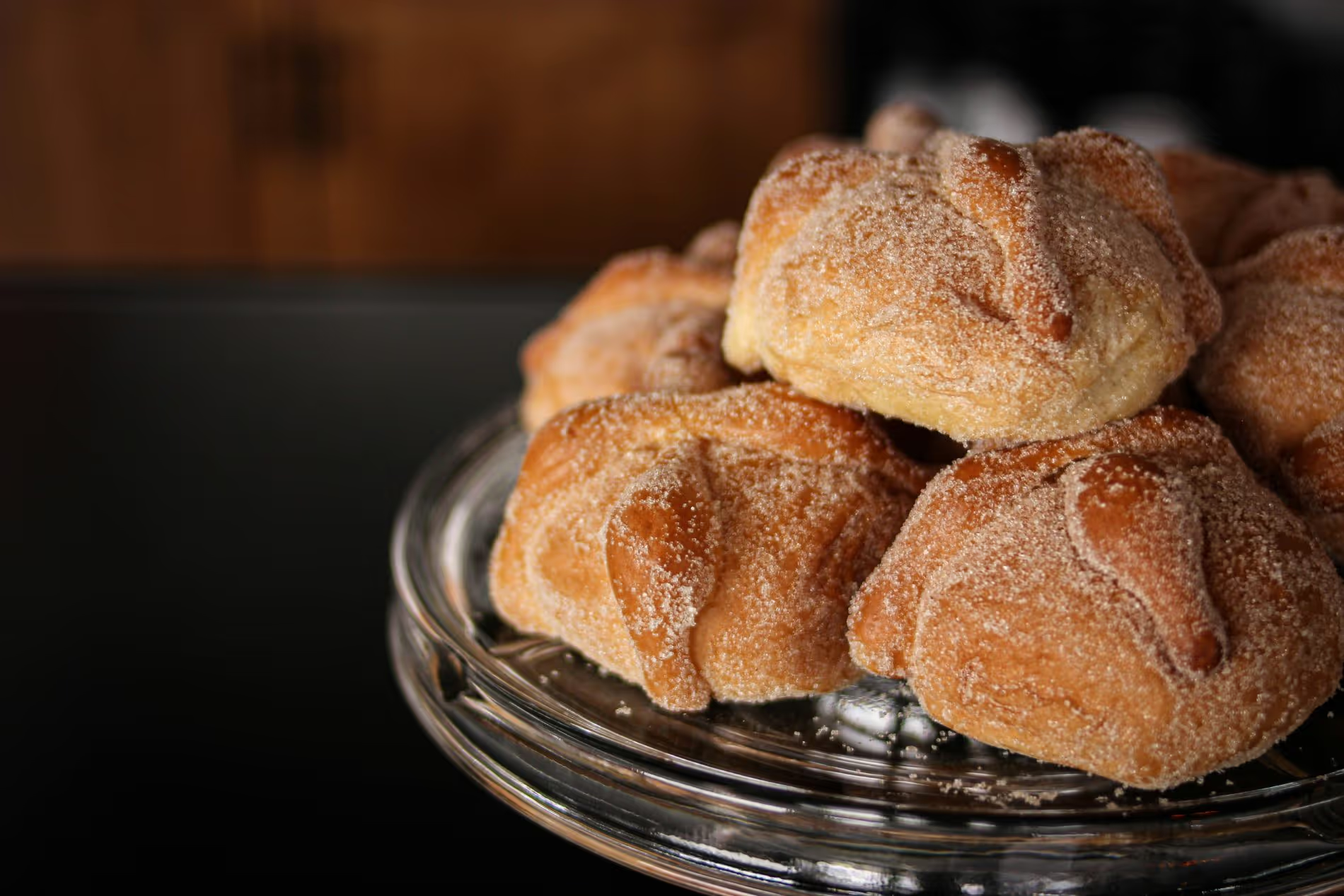
Pan de muerto, or bread of the dead, is the bread baked for the season. It is usually a round, slightly sweet loaf shaped to suggest a mound of earth, decorated with strips of dough that represent bones. It is a kind of pan dulce, sweet bread, and is laid on altars as one of the offerings. Recipes vary by region. The bread’s origins are thought to reach back to pre-Hispanic times, and Spain had a parallel custom of panes de ánimas, breads offered for the dead around All Saints’ and All Souls’. The two traditions met to become the bread baked today.
Marigolds (cempasúchil)
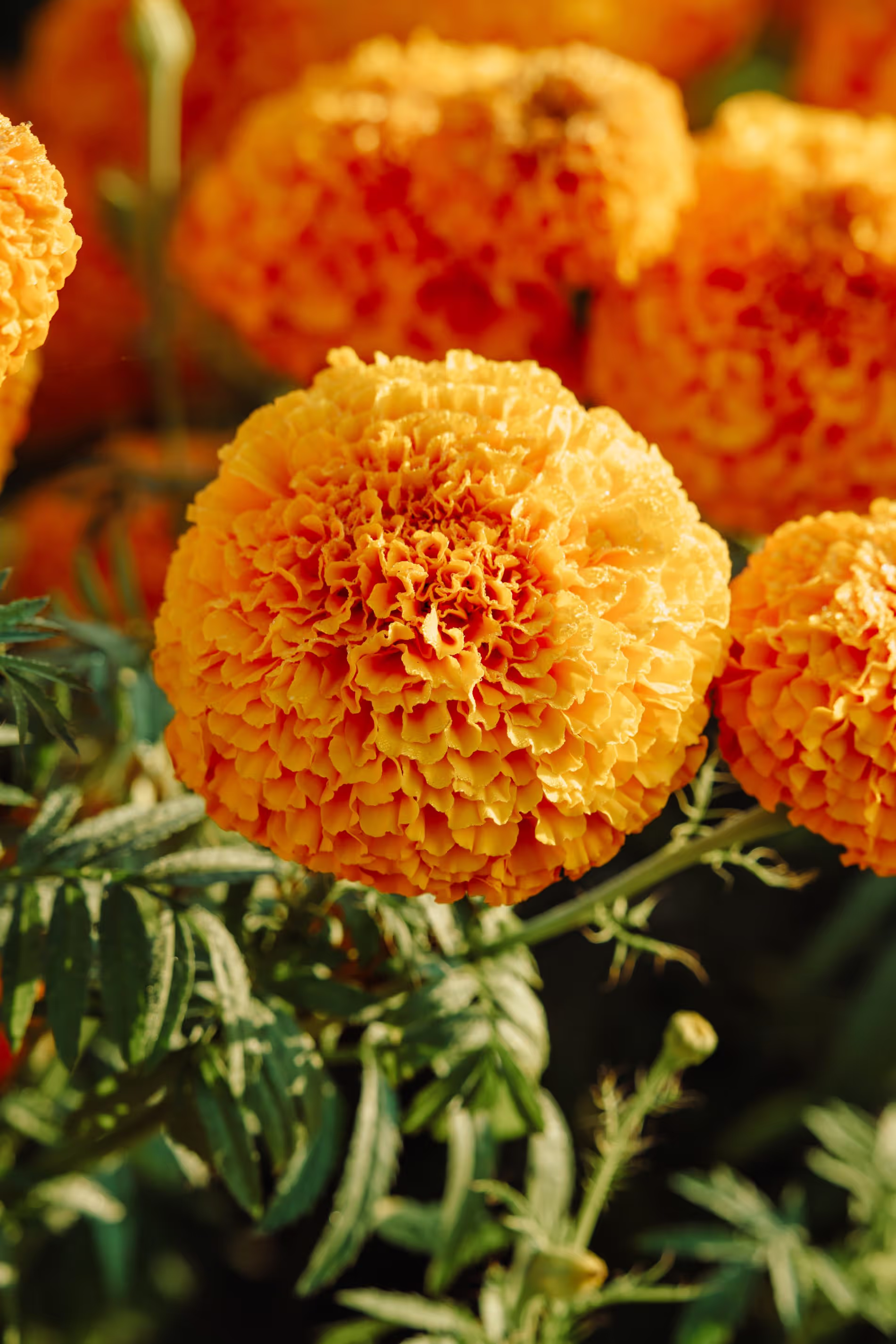
Marigolds are everywhere during Day of the Dead, and serve as its national flower. They are known in Mexico as cempasúchil.
Spanish: cempasúchil
Pronunciation: sem-pah-SOO-cheel
Meaning: The marigold, the flower of the dead, used in wreaths and arches to decorate altars and graves and, they say, to guide the souls home.
The name comes from the Nahuatl cempohualxochitl, often read as twenty flower, or flower of twenty petals. The flowers are made into wreaths, arches and five-pointed stars to decorate altars and graves. They say the colour and scent guide the souls of the dead from the cemetery to their family homes. In Oaxaca, whole fields of cempasúchil bloom on the city’s outskirts in the days before the celebration, planted by small farmers who, as one Oaxacan source put it, keep growing them as much to preserve the tradition as to sell them.
Papel picado
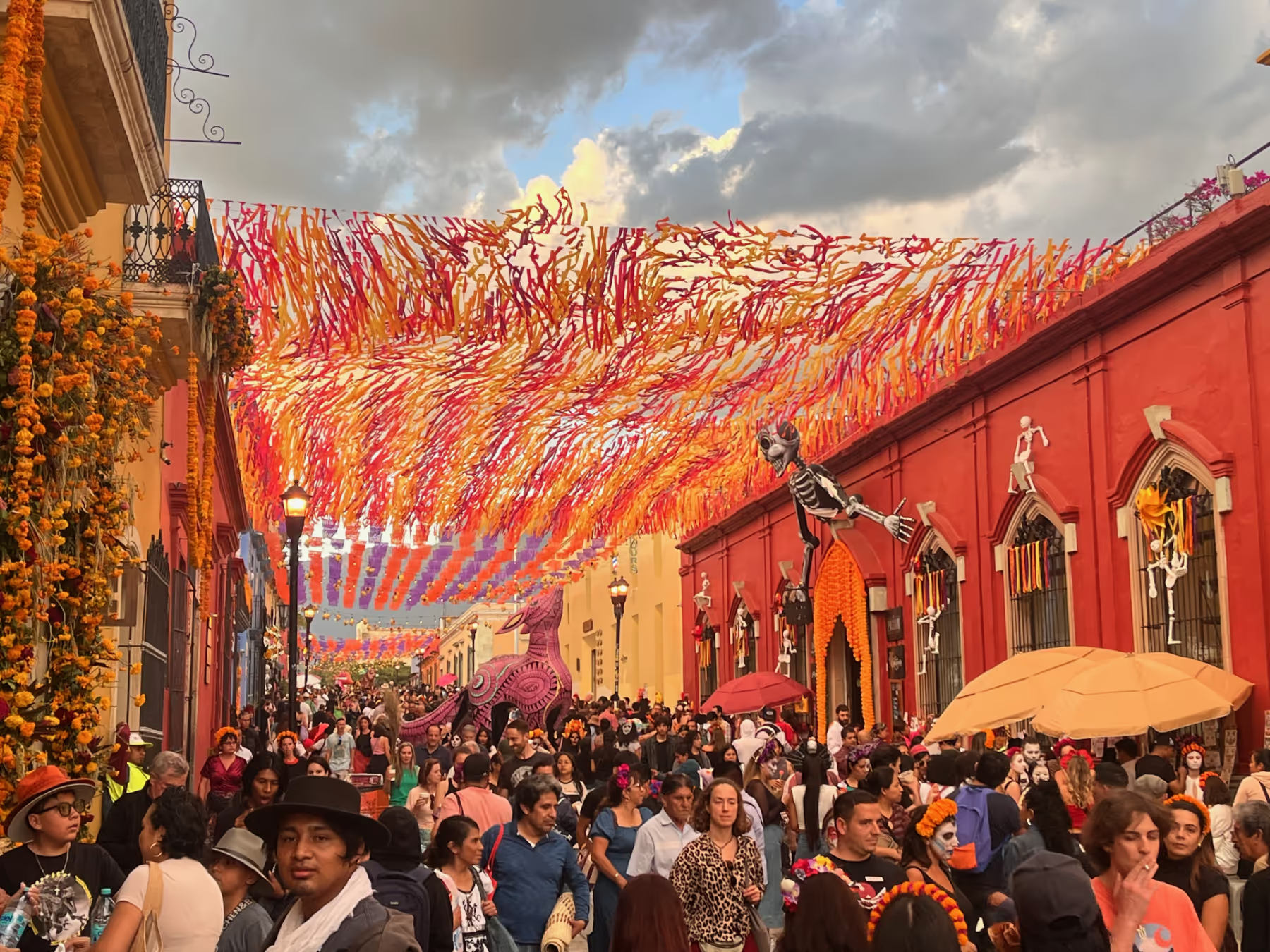
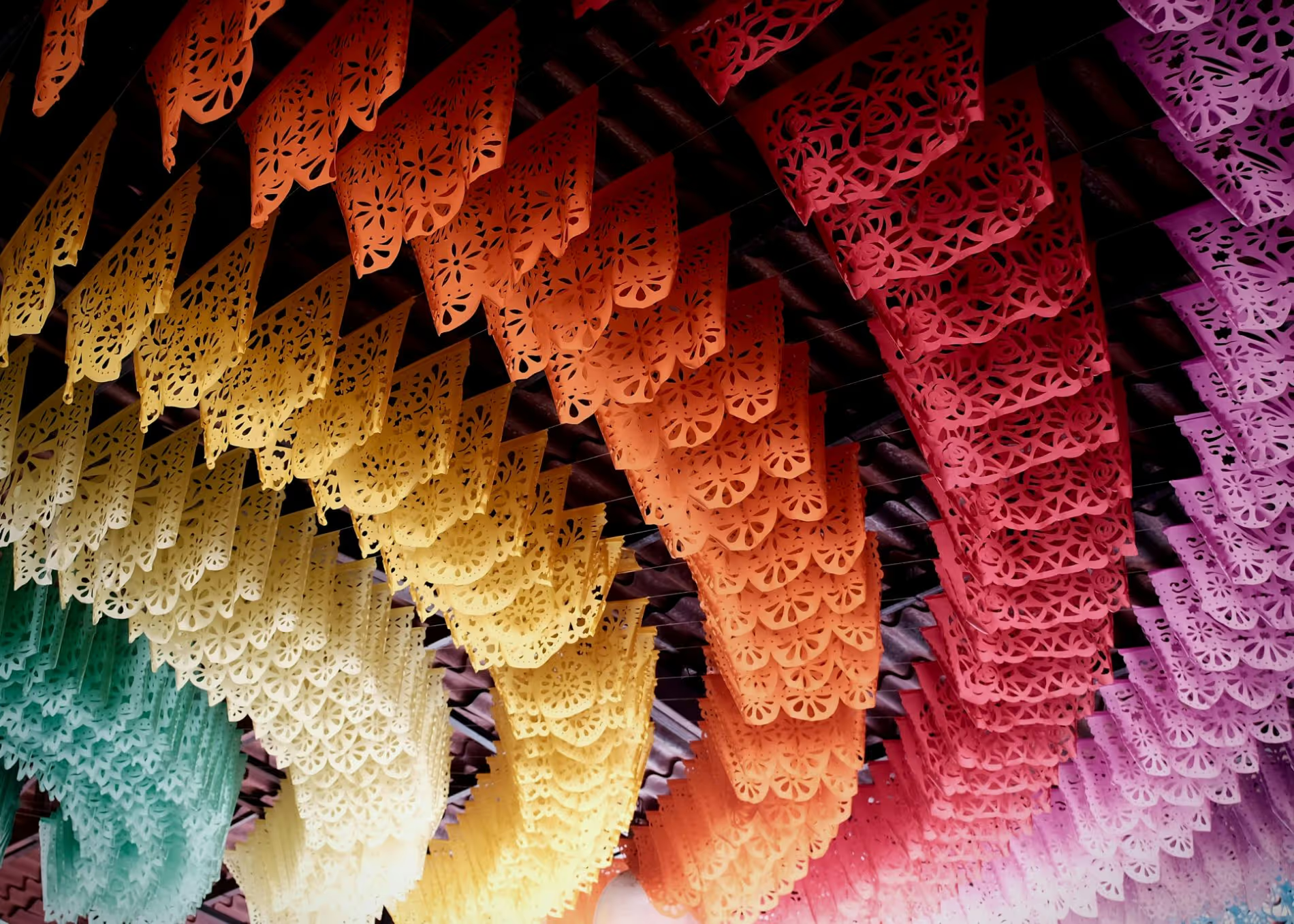
Papel picado is the cut-paper banner, strung above and around altars and across streets. It stands for wind and air, and the holes punched through it are said to let the souls pass between worlds.
Tapete de arena (sand tapestry)
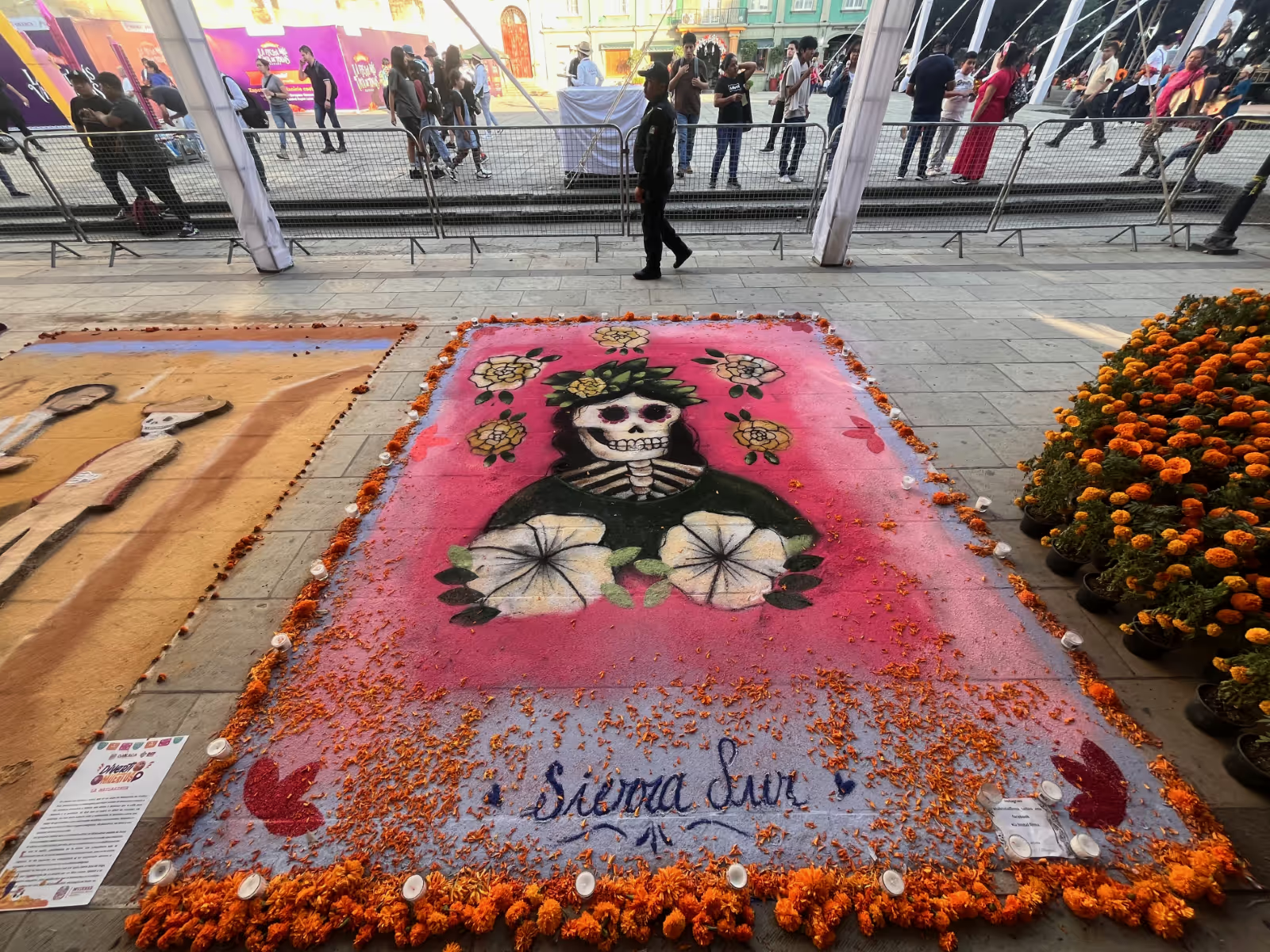
Sand tapestries, or tapetes de arena, are images laid on the ground from coloured sand, seeds and beans. The technique came from Spain, from the Catholic feast of Corpus Christi, and merged with indigenous imagery in Mexico. Rather than only religious scenes, the tapestries often show the passage between life and death, with dancing skeletons and gatherings rendered in strong colour.
Customs of the celebration
Beyond the altar, the celebration is kept through a handful of shared customs. Families gather at cemeteries to clean and decorate graves and to keep vigil, sometimes through the night, eating, talking and playing the music the dead loved. Sugar skulls and pan de muerto are bought and shared. Many people dress as Catrinas, painting their faces as skulls, which has become both a personal tribute and a public expression of the season.
These customs hold across Mexico, but the way they are arranged, and the names they go by, change from place to place. Nowhere is that clearer than in Oaxaca.
How it appears in Oaxaca
In Oaxaca, the celebration unfolds across several distinct days and several distinct rites, which are easy to confuse from the outside. An Oaxacan guide laid them out in a way worth following closely.
On the 31st of October, families in municipalities near the city, such as Xoxocotlán and Santa María Aztompa, keep the velada: an all-night cemetery vigil that runs from dusk until dawn to receive the dead. Large families take turns at the graves through the night. The guide’s advice for visitors was specific. People do not mind you taking part if you approach with respect, ask about the person being remembered, and perhaps bring candles to offer. What they object to is being treated as a spectacle.
People like it when you get involved and ask them to share their stories. What bothers them is being treated like a safari, something to photograph and nothing more. (Paraphrased from an Oaxacan guide.)
The build-up in the city itself comes through the comparsas, neighbourhood processions that start around the 28th to 31st of October. These are the festive part: bands, mezcal, murals painted through the colonias, a rising sense of anticipation. They are not the same as the muerteadas, which take place on the 1st of November in Etla and its neighbourhoods. A muerteada is a satirical street performance: townspeople dress as recognisable characters from the year’s events, the lawyer, the doctor, the widow, the drunk, alongside cascabeleros in wrestling masks and bell-covered suits, and move between the houses of the mayordomos, the people who fund the band, before staging a comic re-enactment in the town centre.
The 2nd of November is the day Oaxacans most clearly call Day of the Dead. Families spend the day at the cemeteries of the city and the surrounding communities, the main one being the Panteón General on the city’s edge. They eat, bring music and pass the day with the relatives who have come to visit, seeing them off at dusk. Outside the cemetery walls there are rides, food stalls and a fair.
Two more Oaxacan notes worth carrying with you. The marigold fields on the outskirts, in communities such as Cimatlán de Álvarez, Unión Zapata and around Nazareno, are at their most striking at sunrise in the last week of October. A good local guide makes a real difference during Day of the Dead in Oaxaca.
Is it only Mexican, or is it celebrated elsewhere too?
Day of the Dead is fundamentally Mexican, but it is no longer only celebrated in Mexico. Related observances for the dead exist in other parts of Latin America, and the celebration travels with the Mexican diaspora, most visibly in the United States.
Global awareness has grown sharply, helped by UNESCO’s 2008 recognition and by films such as Coco, The Book of Life and Spectre. That visibility has brought more travellers to Oaxaca and Michoacán, which makes understanding the celebration, rather than simply watching it, more important than ever.