Plan Your Day of the Dead Trip to Oaxaca
Planning a trip can be challenging at the best of times — and Day of the Dead in Oaxaca brings its own extra layer of decisions. For a few intense days, thousands of travellers arrive in the city, accommodation fills quickly, events shift, and the most important moments are not always easy to understand from the outside.
Knowing when to book, what to decide now, and what can wait can make all the difference to your experience once you arrive.
This guide walks you through the journey step by step, with the knowledge, tools, and context you need to plan with confidence. We’ll outline the key decisions at each stage of the process: when to book accommodation, how to think about dates, where to stay, how event updates work, what to prepare before you go, and what essential information you need before arriving in Oaxaca.
The goal is simple: to help you spend less time worrying about logistics, and more time being present, respectful, and connected to one of Oaxaca’s most meaningful times of year.
Plan Your Journey in 9 Steps
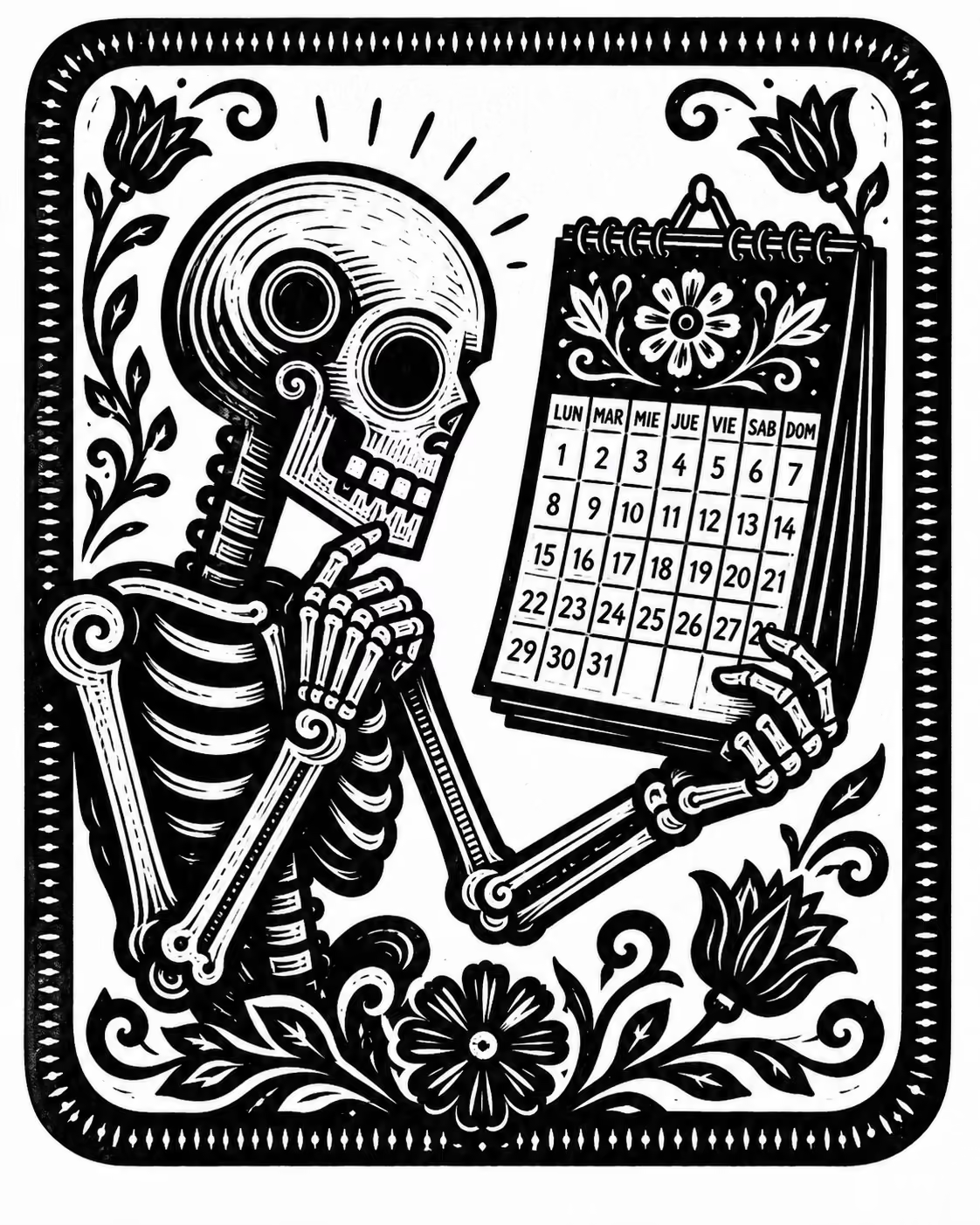
Know the main dates of the celebration - calendar
The main dates for Day of the Dead in Oaxaca fall around October 31 to November 2, with the busiest nights centred around cemetery vigils, comparsas, public altars, markets, and city events.
The question is not only: when does Day of the Dead happen?
It is: what do you want to see, and how much time do you need to experience it properly?
Some travellers only want the core nights. Others want time for food, markets, day trips, neighbourhood walks, and slower moments before or after the busiest period.
Decide when to go, and for how long
Minimum stay: October 31–November 3
This gives you the main nights. You will be present for all the major events and traditions.
Better stay: October 29 or 30–November 4
This gives you time to arrive, understand the city, visit markets, see public altars, and not feel rushed.
Longer stay: 5–7+ nights
This gives you time to see more of Oaxaca beyond the main festival nights: artisan villages, Zapotec culture, Monte Albán, Mitla, mezcal and markets
Still deciding?
Read: How long should I stay in Oaxaca for Day of the Dead?

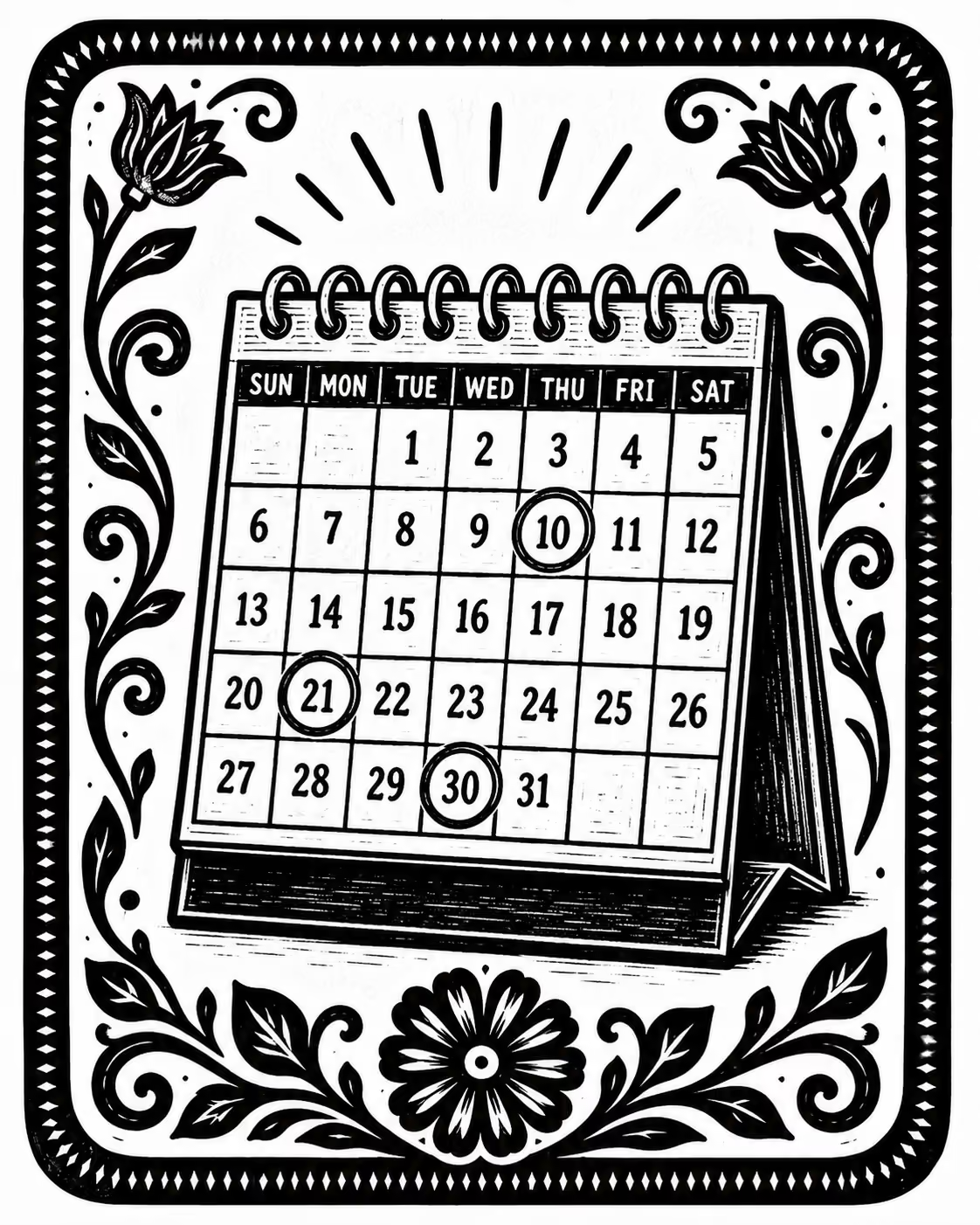
Lock your dates first
This is where it takes shape. We craft the visual language, the layouts, and the small details that make the work feel unmistakably yours.
Your dates will shape almost everything else: accommodation, flights, tours, restaurant plans, cemetery nights, and how much you can realistically see.
Before booking, ask yourself what matters most:
The main nights only
October 31–November 3
A fuller festival experience
October 29/30–November 4
Food, villages, markets and slower days
5–7+ nights
The clearer you are on your dates, the easier every other decision becomes.
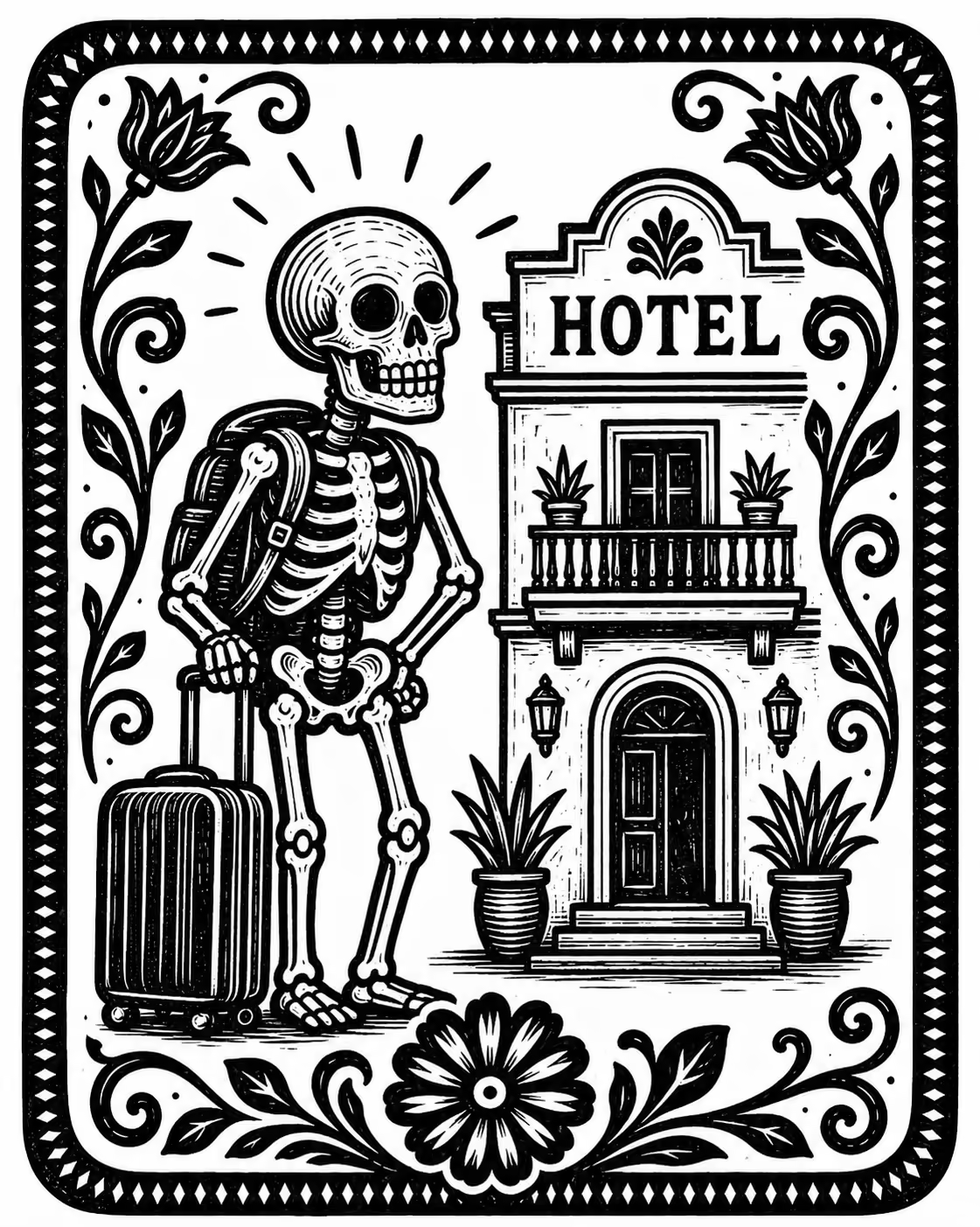
Choose where to stay, then book it
Accommodation is the decision that should not be left late. Oaxaca becomes extremely busy during this period, and the best-located stays can disappear early.
Your neighbourhood affects how the whole festival feels: how far you walk at night, how noisy the area is, how close you are to events, how easy it is to rest, and how safely you can return after long nights out.
Do not wait for the full official programme before booking accommodation. Event details may be confirmed late; good beds disappear early.
Next decision: Where to stay in Oaxaca for Day of the Dead

Book your flights months ahead
Once your dates are clear, book your main flights as early as you reasonably can. During peak travel periods, prices can rise and the best connections can disappear.
If Oaxaca is part of a wider Mexico trip, think about your internal flights at the same time as your international flight. Routes between major hubs can become limited or expensive close to festival week.
Decide what is important to see
You do not need to plan every day down to the hour, but with so much happening, it helps to know your priorities.
- Do you want to experience the cemetery vigils?
- Do you want the excitement of comparsas and street celebrations?
- Are you coming for food, markets, mole and mezcal?
- Do you want cultural context, photography, artisan villages, or a slower trip?
A good Day of the Dead trip is not about chasing everything. It is about choosing the moments that matter most to you, then leaving enough space for the things you cannot plan.


Book one guided anchor experience
You do not need a guide for everything. Oaxaca city is walkable, and much of the atmosphere can be experienced independently.
But for many first-time travellers, one guided cemetery night, cultural walk, food experience, or artisan visit can give the trip more context. A good guide can help you understand what you are seeing, move through sensitive spaces respectfully, and remove some of the stress around transport and timing.
The best guided experiences are usually small, locally led, and respectful. Those can sell out, especially during the main festival window.
See our tours: locally led experiences for a more meaningful window into Oaxaca.
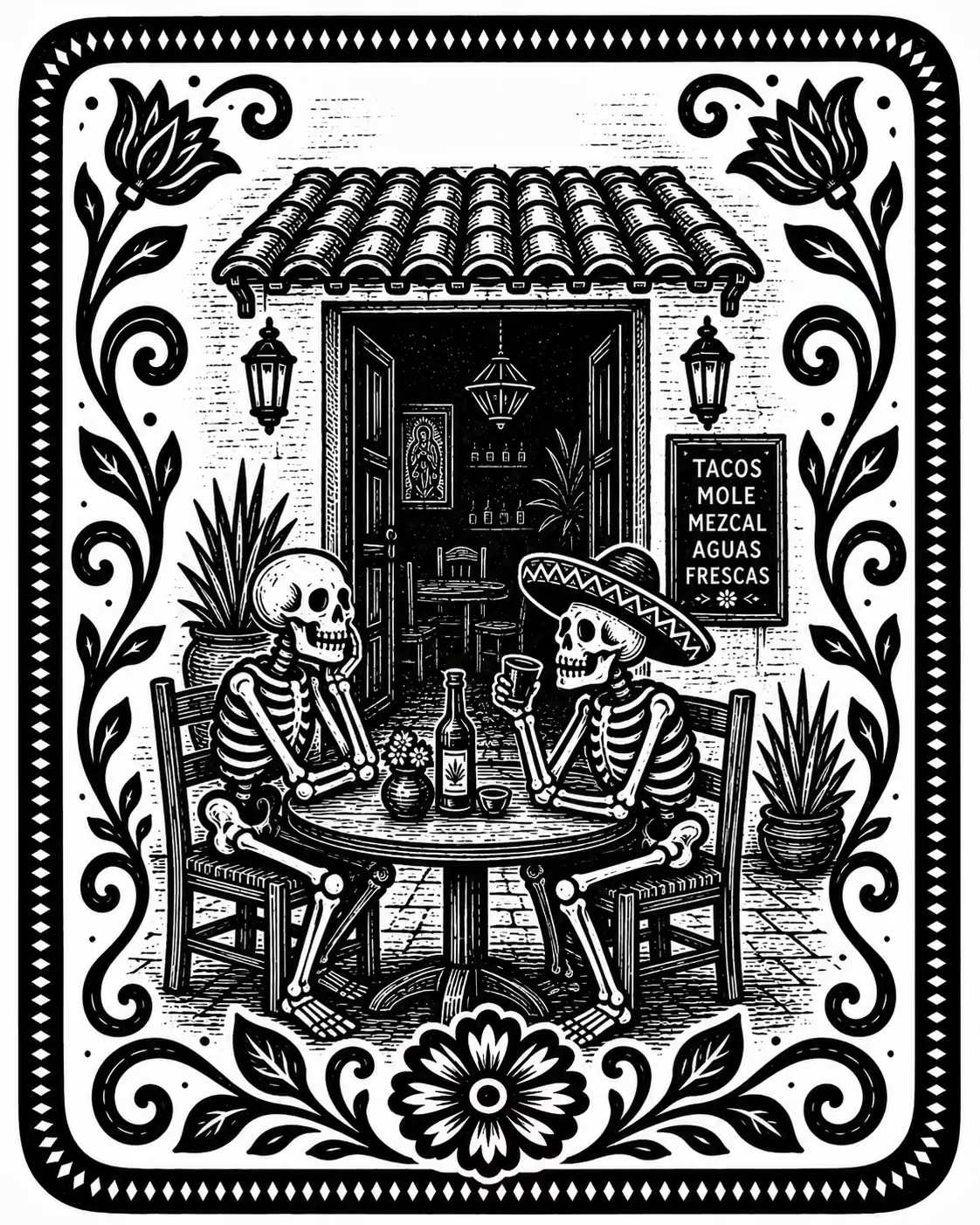
Make a simple food plan
Oaxaca is one of Mexico’s great food cities, and festival week is not the best time to leave every meal to chance.
You do not need a rigid restaurant itinerary, but it helps to plan a few anchor meals, know which markets you want to visit, and understand where you can eat between events.
Oaxaca is known for its gastronomy and has been reviewed and visited by well-known persons such as Anthony Bourdain and Gordan Ramsey to name a few.
Go deeper: Food, Markets & Mezcal
Prepare for long days and late nights
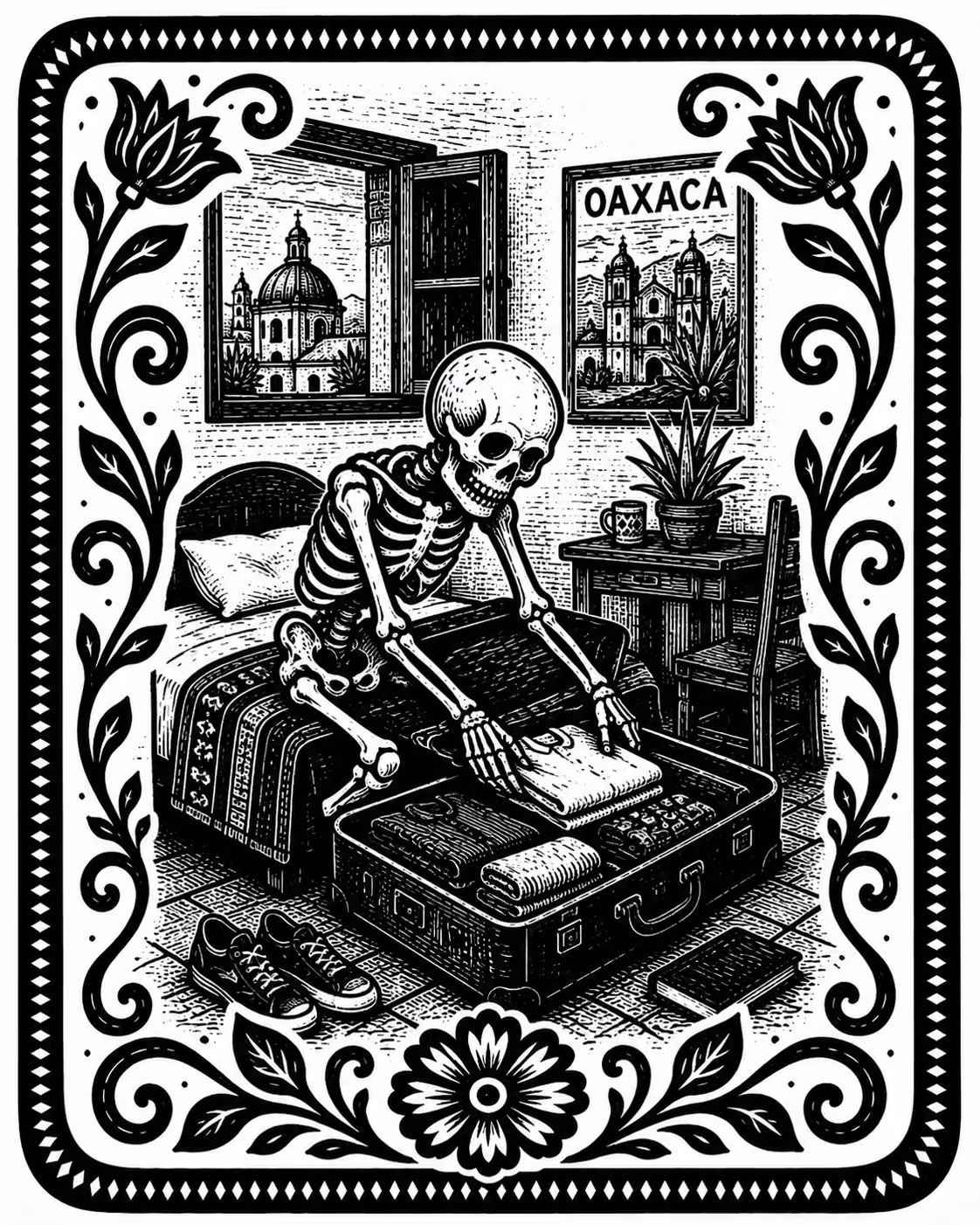
Day of the Dead in Oaxaca can mean a lot of walking, waiting, standing, moving between neighbourhoods, and staying out late.
Before you arrive, make sure you understand the basics: how you will get around, how you will get home at night, how much cash you need, what to bring to a cemetery vigil, and how to stay connected without relying entirely on public WiFi.
The more you prepare before the trip, the more relaxed you can be once you are there.
Booking Timeline
Do these three things now
- Choose your trip dates
Decide whether you are coming for the main nights only, the fuller festival window, or a longer Oaxaca trip around the celebration. - Choose your neighbourhood and book accommodation
This is the most important early decision. Your neighbourhood affects walking, noise, late-night returns and your budget. - Set flight alerts and shortlist one guided experience
You do not need to book every tour yet, but start identifying the locally led experiences you would actually trust.
What can wait
The full official programme may not be confirmed yet. Do not wait for it before booking accommodation.
Priority
Accommodation. Good locations can disappear long before the final event details are published.
Do these three things now
- Book accommodation if you have not already
At this stage, you should be seriously looking to secure your stay. Choose the best neighbourhood you can and book a place that fits your budget, walking tolerance, and late-night plans. - Book your main flights
If Oaxaca is part of a wider Mexico trip, think about your internal flights too. - Book one guided cemetery night or cultural experience
You do not need a guide for everything, but a good tour on one of the main nights can help you connect with the celebration more deeply.
Be aware
The best-value stays in the most convenient areas may already be limited. Small-group guides may start filling their main nights.
What can wait
Restaurant planning, detailed day-by-day routes, eSIM purchase, cash planning, and final event choices.
Do these three things now
- Finalise flights and internal transport
This is the time to stop leaving routes open, especially if you are moving between Mexico City, Oaxaca, the coast, or other cities. - Book travel insurance
Do this once flights and major bookings are in place. - Book remaining key experiences
Add food tours, artisan village visits, mezcal experiences, or any second guided experience that matters to you.
Be aware
Cheap central accommodation, peak-night small-group tours, and ideal flight connections may already be harder to find.
What can wait
The final official event programme, exact street parade routes, and some restaurant decisions.
Now you move from booking to preparation.
Do these three things now
- Sort your money plan
Oaxaca can still be cash-heavy, especially around markets, taxis, smaller vendors, cemetery visits, and village trips. Decide which card you will use, how you will withdraw pesos, and how much cash you want to carry. - Buy or choose your eSIM
Do this before you fly. You will likely need mobile data as soon as you arrive, and public WiFi is not always practical once you are moving around the city or travelling beyond it. - Confirm your bookings
Check accommodation, flights, tours, airport transfer plans, and any important restaurant reservations.
What may already be difficult
Changing your neighbourhood cheaply, finding the most popular food reservations, or booking the best cemetery guides.
What can wait
The exact day-by-day event flow. You can build that once more official information appears.
Do these three things now
- Save notes and location information for your trip
Save your accommodation, key barrios, cemeteries, restaurants, meeting points, airport details, and any important WhatsApp numbers. - Confirm every booking
Check dates, times, addresses, cancellation rules, meeting points, and how to contact your accommodation or guide. - Learn a little Spanish
You do not need perfect Spanish, but a few polite phrases help: greetings, asking prices, saying thank you, asking permission, and explaining where you need to go.
What may already be difficult
Major accommodation changes, premium guided experiences, and changing your route without paying more.
What can still wait
Daily event choices. Keep flexibility because final schedules and street activity can shift.
Now the plan becomes real.
Do these three things now
- Check the confirmed events page
Use the latest confirmed information from our events page before locking in each day. - Test your basics
Make sure your SIM or eSIM works, withdraw cash, save your accommodation location offline, and check how you will get back at night. - Choose one anchor per day
Do not try to chase everything. Pick the main thing that matters each day, then leave space for markets, public altars, street music, food, and the moments you did not plan.
What matters most now
Enjoy the experience. You have done the planning — now let Oaxaca surprise you.
Is Oaxaca worth choosing for Day of the Dead?
Most international travellers reach Oaxaca in one of two ways: by flying into Oaxaca City, usually via Mexico City, or by travelling overland from another part of Mexico.
Oaxaca’s airport is small, but it has useful domestic connections from cities such as Mexico City, Cancún, Guadalajara, Monterrey, Tijuana, Mérida, Puerto Escondido, and Huatulco. Some international routes also operate from the United States, including cities such as Dallas–Fort Worth, Houston, and Los Angeles, depending on the season and airline schedule.
The main airlines serving Oaxaca include Aeroméxico, Volaris, VivaAerobus, American Airlines, United Airlines, and Aerotucán. Flight routes can change, so always check current schedules before building your Mexico itinerary around a specific connection.
If you are coming from Mexico City, the two main options are a short domestic flight or a long-distance bus. The bus usually takes around 6–7 hours and can be a good budget option, especially as an overnight journey. A late-night bus can save you a night of accommodation and get you into Oaxaca early in the morning, but it is not for everyone — choose it only if you sleep reasonably well on buses.
Once you arrive at Oaxaca airport, plan your transfer into Centro before you land. Do not assume you can rely on Uber or DiDi at the airport. Most travellers use official airport taxis, shared colectivos, pre-arranged transfers, or accommodation pick-ups.
Quick choice
Best option
Fastest route
Fly into Oaxaca City
Easiest international route
Fly via Mexico City, then connect to Oaxaca
Budget option from Mexico City
Long-distance bus
Lowest stress after a long-haul flight
Stay overnight in Mexico City before continuing
What It Costs
Oaxaca can still be surprisingly affordable once you are on the ground, especially for street food, markets, local transport, and casual meals. The biggest cost is accommodation during Day of the Dead.
This is the part many travellers underestimate. Central hotels can rise sharply for the final week of October and the first days of November, and the best-value places often disappear months ahead. Some central hotels can range from around US$1,700 to US$13,000 for peak festival stays, depending on dates, room type, location, and how late you book.
Airbnbs and apartments can be more reasonable, but the good ones may start booking out as early as June or July. As October gets closer, availability tends to move outward into less central neighbourhoods, and eventually those options tighten too.
Average prices to expect
Price in MXN
Price in USD
Street taco
11 MXN
$0.63 USD
Beer
45 MXN
$2.60 USD
Local bus ride
8 MXN
$0.45 USD
Taxi within centro
60 MXN
$3.40 USD
5-course meal
898 MXN
$51 USD
Fine dining restaurant
1,500–2,000 MXN
$86–$114 USD
Treat these as planning ranges, not fixed prices. During Day of the Dead, prices can change quickly depending on neighbourhood, booking date, cancellation policy, and how close you are to the historic centre.
The cash reality
Oaxaca is more cash-heavy than many first-time visitors expect. Cards are accepted in plenty of hotels, restaurants, and larger businesses, but cash is still important for taxis, market food, street stalls, cemetery visits, small shops, tips, colectivos, and last-minute purchases.
For Day of the Dead especially, do not rely on being able to pay by card everywhere. Carry smaller notes and coins, and avoid leaving cash withdrawal until late at night or right before heading to a panteón.
Honest takeaway
Food and everyday spending can be manageable. Accommodation is what can hurt the budget.
If you know you want to be in Oaxaca for the core nights — especially October 31 to November 2 — book your stay early, choose your neighbourhood carefully, and keep enough cash on hand for the nights when convenience matters more than finding the cheapest option.
Do I Need a Guide?
The best answer for most first-time travellers is: mix it.
Spend some time exploring Oaxaca independently, but consider booking one guided anchor experience — especially for a cemetery night, cultural walk, food tour, mezcal experience, or artisan village visit.
Oaxaca city is walkable, and the main centre is small enough to explore on your own. From Santo Domingo to the Zócalo, you will find restaurants, markets, art, decorations, public altars, and street activity without needing a guide for every moment.
Where a guide can help is with context, timing, logistics, and respectful access. Cemetery vigils, village visits, and common day trips such as Monte Albán or Mitla can require more planning, especially during festival week.
Many thoughtful Day of the Dead experiences include elements such as visiting a family home, learning about altar traditions, understanding cemetery etiquette, and moving through the night with more cultural context. A good guide can remove the stress of transport and help you understand what you are seeing, rather than simply arriving and trying to work it out on the spot.
That said, self-guided travel has real advantages too: flexibility, lower cost, and the freedom to move at your own pace.
With Day of the Dead Journey, we help you do both: choose from locally led experiences where they add value, and use the Marigold Path premium pack to move around Oaxaca with more confidence on your own.
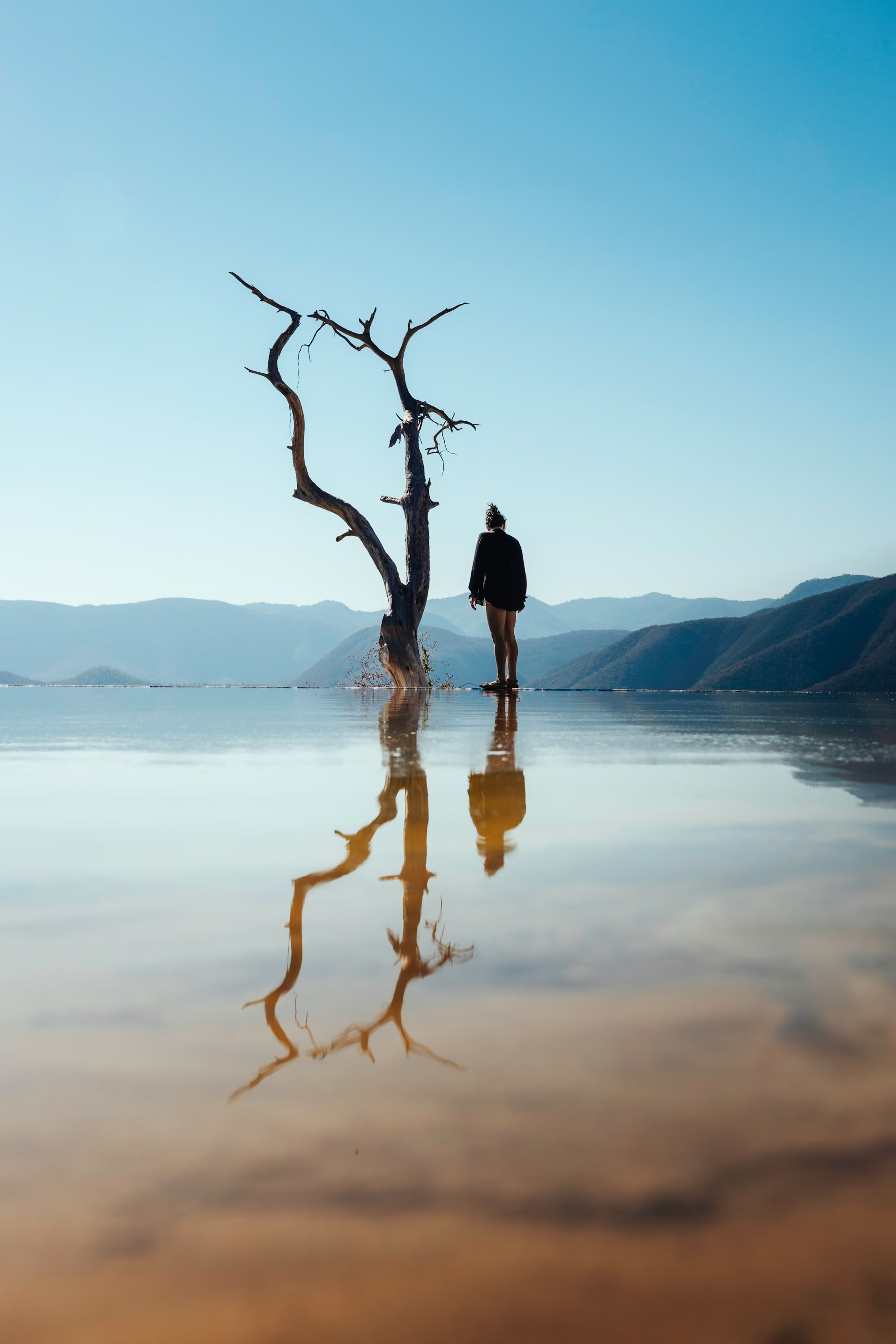
Photo by Jorge Alberto Vega Barrera
Money, Data and Insurance
A smooth trip depends on a few boring-but-important things: how you will pay, how you will access data, and what you have in place if something goes wrong.
Travel cards and cash plan
Travel cards can be useful for Mexico, especially if you want a simple way to hold, convert, or spend in Mexican pesos. Two popular options travellers often compare are Wise and Revolut.
Wise Travel Card
Wise may suit travellers who want simple currency conversion, Mexican peso spending, and a clear low-fee travel-money setup. The card can be used in many countries and supports multiple currencies.
I used Wise when I travelled in Mexico and had no problems withdrawing cash or paying in restaurants. As always, check the current fees, ATM limits, and exchange rates before you rely on it for your trip.
Want to know more about Wise and how it can make managing your money while travelling easier? Find out more about Wise.
Revolut
Revolut may suit travellers who like app-based controls, virtual cards, budgeting features, and the option of paid plans. It allows users to exchange currencies, send money abroad, and hold multiple currencies in-app.
Again, check the current terms, fees, withdrawal limits, and whether the card is available and suitable for your country of residence before using it as your main travel card.
Want to know more about Revolut and how it can help you manage your money while travelling? Find out more about Revolut.
Tips for travelling with a card in Oaxaca
- Withdraw pesos from bank ATMs, ideally during the day.
- Always choose to be charged in Mexican pesos, not your home currency.
- Keep enough cash for markets, taxis, tips, cemeteries, colectivos, and smaller vendors.
- Carry more than one payment method in case a card is blocked, lost, or not accepted.
- Do not leave cash withdrawal until late at night.
eSIMs
An eSIM can be very useful when travelling in Mexico. You will likely need mobile data as soon as you arrive, and relying entirely on public WiFi is not practical once you are moving around Oaxaca city or travelling to places such as Puerto Escondido.
With mobile data, you can access:
- Google Maps
- Booking confirmations
- Restaurant reservations
- Event updates
- Transport information
An eSIM lets you set up mobile data before you arrive, so you are ready to connect once you land.
Three popular eSIM providers to compare for Mexico are Airalo, Nomad, and Holafly.
Airalo and Nomad are usually good options if you want a fixed data allowance and simple app-based setup. Holafly may suit travellers who want unlimited data for a set number of days and do not want to think about topping up.
Always check the current plan details, coverage, hotspot rules, and whether the plan is data-only before buying.
One important thing to know: many travel eSIMs are mainly for mobile data. They may not include a Mexican phone number, normal calls, or SMS. For most travellers, this is not a major issue because WhatsApp is widely used in Mexico, but it is worth checking before you buy.
Also remember that an eSIM is not magic. Coverage can vary by area, especially outside city centres, in mountain villages, on rural roads, and along parts of the coast. Download offline maps before you travel and do not rely on mobile signal for every plan.
If you are interested in using these sims cards, see the links below:
Travel insurance
Travel insurance is one of those boring pre-trip jobs that only matters when something goes wrong — and then it matters a lot.
For Oaxaca during Day of the Dead, it is worth arranging cover before you leave, especially if you are booking flights, accommodation, tours, or non-refundable plans months in advance. The festival period is busy, accommodation prices rise, and last-minute changes can be expensive.
This is general travel information, not financial advice. We do not recommend one policy for every traveller. Before buying, read the policy wording carefully and check that it covers your nationality or residency, travel dates, medical history, planned activities, valuables, cancellation needs, and emergency medical treatment overseas.
Before choosing a policy, check:
Why it matters
Overseas medical cover
Private treatment overseas can be expensive.
Cancellation and interruption
Useful if flights, accommodation, or prepaid tours change.
Pre-existing conditions
These may be excluded unless declared and accepted.
Phone, passport, cards, and baggage
Crowded festival periods make lost essentials harder to deal with.
Activities and exclusions
Scooters, alcohol-related incidents, adventure activities, and unattended belongings may be excluded.
Claims process
Check emergency contact numbers and what documents you need to claim.
Confirmed vs Likely: How Event Updates Work
Day of the Dead in Oaxaca follows a familiar rhythm each year, but the exact official programme is usually confirmed close to the celebration.
That means some things are historically likely: cemetery vigils in places like Xoxocotlán, neighbourhood decorations in Jalatlaco and Xochimilco, public altars, sand tapestries, concerts, comparsas, and city-wide celebrations around October 31 to November 2.
But the exact details — parade routes, start times, concert schedules, official altar exhibitions, public art installations, road closures, and cemetery access rules — can change from year to year.
The official Oaxaca programme is usually released close to the festival, often around early October. Until then, we separate events into three categories:
What it means
Confirmed
Officially announced by the city, state, venue, municipality, or organiser.
Likely
Officially announced by the city, state, venue, municipality, or organiser.
To be checked
Historically possible, but details may change or may not happen this year.
This matters because Day of the Dead in Oaxaca is not a theme park with a fixed schedule. It is a living celebration shaped by families, neighbourhoods, municipalities, cultural institutions, and local organisers.
Some events return every year. Others shift by date, route, location, or format.
A good example is the large city comparsa. Last year, I attended the major October 31 parade and was honestly stunned by its scale: a seemingly endless procession of costumes, giant skulls, music, fireworks, floats, and groups interpreting themes from Day of the Dead, Oaxacan history, Zapotec culture, and the symbols of the season.
It felt less like a single parade and more like the whole city had opened a moving theatre through the streets.
But even with events like this, the exact timing and route should always be checked once the official programme is released.
That is why we update this guide as new information comes in. Once official dates and routes are published, we update the site and email subscribers with the important changes.
Want the updates without refreshing government pages every week?
Join the email list and we’ll send the key confirmed dates, parade routes, cemetery notes, and planning changes as they are released.
Next Step: Choose Where to Stay
Once you understand the planning sequence, the next big decision is where to stay.
Your barrio shapes your whole Day of the Dead experience: how far you walk, how loud the nights feel, how easy it is to rest, how quickly you can reach events, and how comfortable you feel returning late.
Start with the neighbourhood first, then choose the accommodation.