Intro
Oaxaca receives around 89,000 visitors during Day of the Dead, including approximately 27,000 international travellers. But the reason people come here is not only the scale of the celebration. It is the depth.
Oaxaca is one of Mexico’s richest cultural regions, shaped by Zapotec history, Indigenous traditions, artisan communities, regional food, music, markets, and village life. During Day of the Dead, all of this comes together in a way that feels unlike anywhere else.
What sets Oaxaca apart is that the celebration is not confined to one event, one parade, or one square. Each municipality has its own traditions and rituals, from city comparsas to the night-long muerteadas of the Etla Valley. In Oaxaca City and the surrounding valleys, Day of the Dead unfolds through cemeteries, markets, family altars, street processions, food, music, flowers, and remembrance.
Then there is the food. Oaxaca’s gastronomy is known around the world, attracting figures such as Gordon Ramsay and Anthony Bourdain, and during Day of the Dead, that food culture becomes part of the celebration itself.
There is no other place quite like Oaxaca, where cultural depth, street energy, food, music, and local devotion come together so powerfully. For travellers who want more than a spectacle, Oaxaca offers something deeper: the chance to witness a living tradition with context, care, and respect.
Is Oaxaca worth choosing for Day of the Dead?
Yes — Oaxaca is one of the best places in Mexico to experience Day of the Dead.
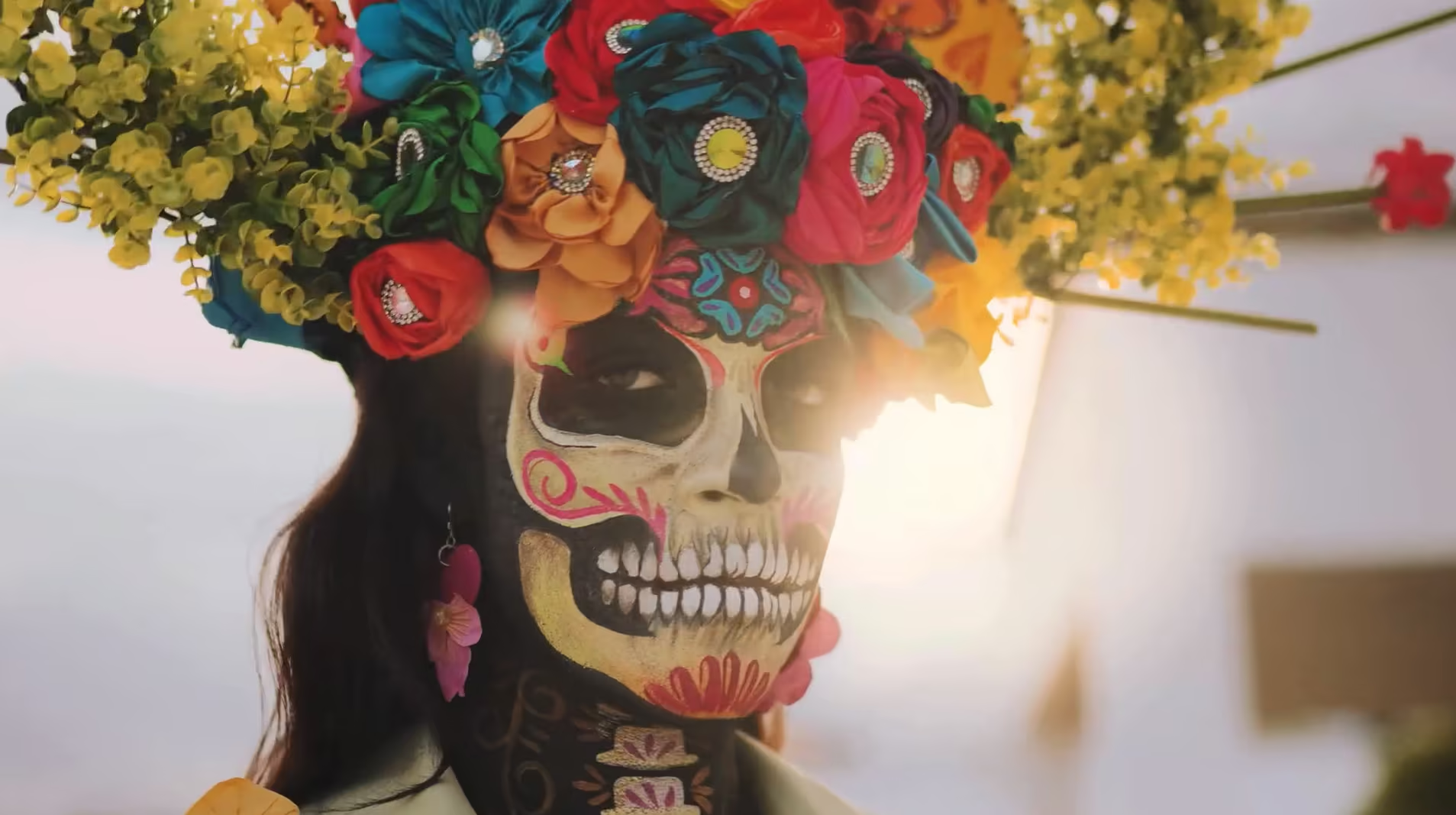
During these days, Oaxaca changes around you. Cemeteries glow with candles and cempasúchil, comparsas move through the streets, markets fill with altar flowers and seasonal food, public ofrendas appear across the city, and nearby villages continue their own traditions late into the night.
But Oaxaca is not effortless. It can be crowded. Accommodation can be expensive. The official event programme is often confirmed close to the dates. Transport can be harder at night, and the most popular areas can feel intense.
Even so, if you want atmosphere, cultural depth, food, music, and a celebration that reaches beyond one staged event, Oaxaca is worth choosing.
What makes Oaxaca different: a living tradition, not just a staged spectacle
Oaxaca does have official events, public installations, concerts, programmed parades, and visitor-facing celebrations. But Day of the Dead here is not limited to a stage or a parade route.
You see it across Oaxaca City and the surrounding valleys: in cemeteries, markets, kitchens, artisan towns, neighbourhood streets, family altars, public ofrendas, and village processions.
That is what makes Oaxaca different.
The city feels alive with both locals and international travellers, but the heart of the celebration is much older and deeper than tourism. These days are about remembering those who have died, welcoming them back symbolically, honouring family memory, and celebrating life itself
